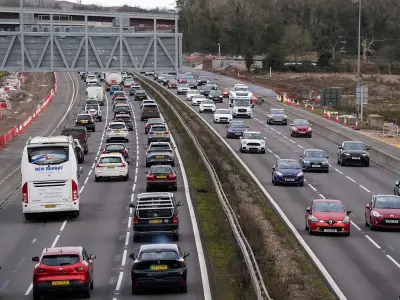
Owners of electric cars are set to be hit with a new pay-per-mile charge under a major overhaul of the motoring tax system, set to be announced by Chancellor Rachel Reeves.
Budget Announcement Details
The Treasury is expected to reveal the details of the controversial new scheme at the Budget on Wednesday. This move comes as a direct response to falling fuel duty revenues, a consequence of the increasing number of Brits switching to electric vehicles each year.
This new charge would represent the latest financial setback for EV drivers, who only earlier this year saw their long-standing vehicle tax exemption come to an end.

Potential Cost and Impact
Reports suggest that electric vehicle drivers could face a rate of 3p per mile. For an average motorist covering 10,000 miles annually, this would result in an extra £300 per year in tax.
The impact is expected to be felt most acutely by certain groups of drivers:
- Those who cover longer distances for work or family.
- Commuters who rely on their cars daily.
- People living in rural areas where public transport options are limited or unreliable.
Furthermore, experts warn that if variable rates based on time of travel are introduced, those driving during peak hours could be hit with the highest costs.
Industry and Expert Reaction
The proposed tax has already raised alarm within the green transport sector. Tanya Sinclair, CEO of Electric Vehicles UK, stated that the government must undertake a careful and transparent consultation process, warning that such a significant change "will take years, not months."
She added, "Rumours about pay-per-mile only unsettle drivers and risk slowing the very market we need to grow."
Echoing concerns about the financial impact, Rhydian Jones, a motoring expert at Confused.com car insurance, highlighted that "commuters, families, and those living in rural areas could face higher costs as they take longer and more frequent journeys."
While the Treasury is keen to find new revenue streams, this proposal is likely to prove highly controversial, with critics arguing it could disincentivise the essential transition to cleaner electric vehicles.