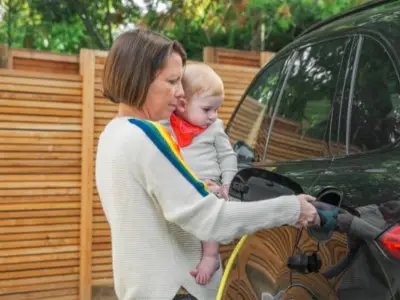
Households across the UK with electric vehicles (EVs) on their driveways are facing a small but notable increase in charging costs this week, following the latest adjustment to the energy price cap by regulator Ofgem.
The Numbers Behind the Increase
Analysis from car finance firm Carmoola reveals the direct impact on drivers. Under the previous price cap, which ran from 1 October to 31 December 2025, the cost to fully charge a typical 71kWh EV battery was £18.73.
With the new cap now in effect from 1 January to 31 March 2026, that cost has risen to £19.69 – an increase of 96 pence per full charge.

Industry Reaction: Don't Be Put Off Switching
Aidan Rushby, CEO and founder of Carmoola, has moved to reassure current and prospective EV owners. He stated that while every Ofgem update brings concerns, this latest change does not fundamentally alter the financial case for electric cars.
"Monthly charging costs remain dramatically cheaper than filling up petrol or diesel cars, even with this modest increase," Rushby emphasised. He pointed to the predictable month-to-month costs as a key benefit for drivers, especially when household budgets are under pressure.
"Saving hundreds of pounds a year on fuel provides welcome stability," he added, noting that for those considering the switch, EV charging offers long-term financial security despite gradual cap increases.
Ofgem's Stance on the Price Cap
The regulator has confirmed the new cap is set at £1,758 per year for a typical dual-fuel household paying by direct debit. This marks a 0.2% rise from the previous quarter's £1,755 cap.
Tim Jarvis, Ofgem's Director General for Markets, acknowledged the ongoing challenge for consumers: "While energy prices have fallen in real terms over the past two years, we know people may not be feeling it in their pockets."
It is important to note that the price cap is based on typical usage, and final bills depend on several factors:
- Where you live in the UK.
- Your chosen payment method.
- The type of meter you have installed.
The overarching message from the industry remains clear: while the cost to charge an electric car has edged up, the significant savings compared to traditional fossil fuels persist, keeping EV ownership an economically sound choice for UK drivers.