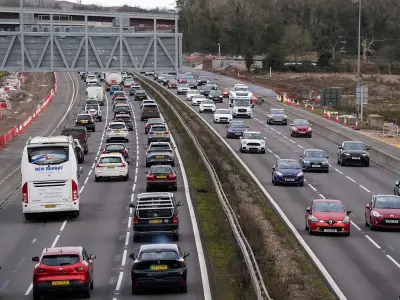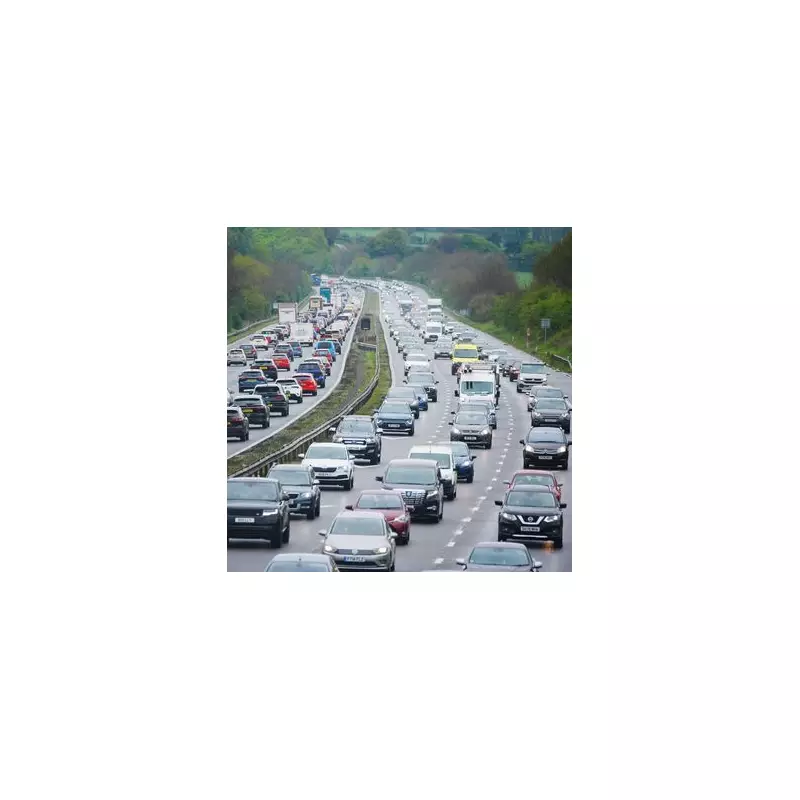
Motorists across the West Midlands are being alerted to a widespread enforcement campaign on the M6, where advanced speed cameras are issuing penalties to thousands of drivers travelling significantly below the standard national speed limit.
Smart Motorway Speed Traps Explained
Authorities have issued a stark warning about the mandatory variable speed cameras installed on overhead gantries along the busy M6 corridor. Unlike traditional fixed cameras, these devices are activated when temporary lower limits—such as 40, 50, or 60mph—are displayed on digital signs. Drivers can be fined for exceeding these temporary limits, even if their speed is well under the usual 70mph maximum. The systems are not merely advisory; they are legally enforceable.
Recent data has identified specific enforcement hotspots where the volume of penalties has soared. The two most prolific sites are both located on the M6 in the West Midlands:

- The stretch northbound between junctions 7 (for Great Barr) and 8.
- The section between the M54 exit slip road and junction 10 (for Walsall).
Together, these two locations have captured over 20,000 speeding offences in recent years. In one year alone, the zone between junctions 7 and 8 generated more than 11,000 notices, ranking it among the region's busiest for enforcement.
Technical Glitch Led to Wrongful Fines
In a recent admission, National Highways confirmed a "technical anomaly" affected the system nationwide. The issue, which occurred between 2021 and 2024, was caused by a brief delay—of around ten seconds—between a speed limit change on the gantry and the corresponding update in the camera system.
This fault led to approximately 2,650 motorists across the UK being incorrectly fined. Those affected are now being contacted directly by police forces to arrange reimbursement of their fines and the removal of any penalty points from their licences. National Highways states it has now implemented a new "data check" procedure to prevent a recurrence of such errors.
Consequences and Driver Advice
The primary purpose of variable speed limits is to smooth traffic flow during peak congestion and to enhance safety during hazardous conditions, such as the freezing rain and black ice frequently forecast for the Midlands. However, the penalties for non-compliance are severe.
The minimum punishment is a £100 fine and three penalty points on your licence. If a case is escalated to court, the fine for a motorway speeding offence can reach a maximum of £2,500. Motoring groups like the RAC offer crucial guidance: these cameras are not permanently active. They are typically triggered only when a lower limit is shown inside a red circle on the gantries. However, drivers should also be aware that some modern "HADECS3" cameras can also enforce the standard 70mph national limit.
This serves as a critical reminder for all road users to observe the changing electronic signs on smart motorways, not just the static roadside limits, to avoid unexpected and costly penalties.