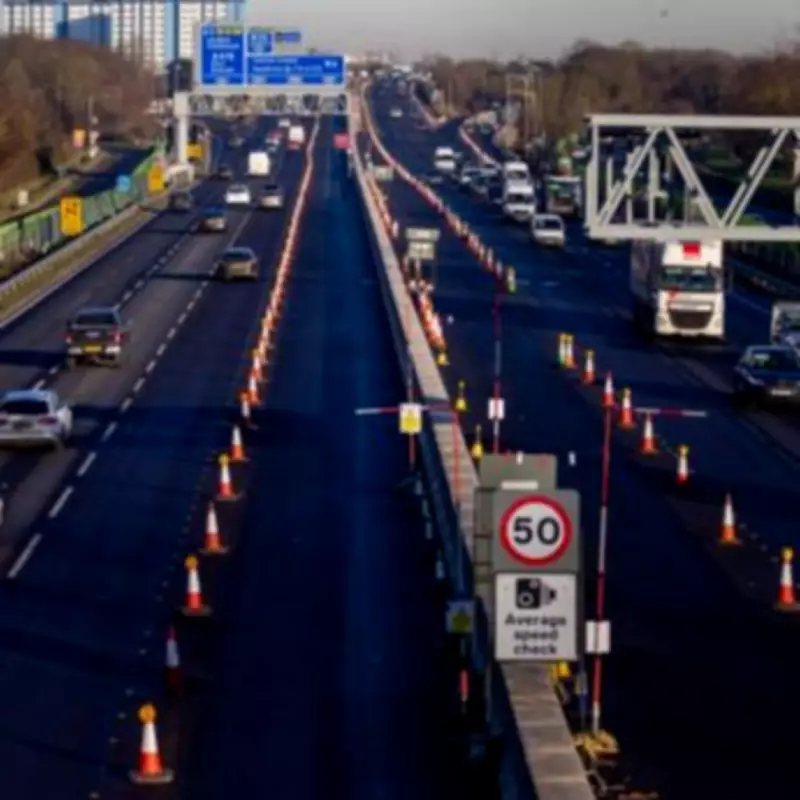
A stark warning has been issued regarding the safety of smart motorways following the tragic death of a 68-year-old grandmother on the M4 in England. Pulvinder Dhillon lost her life after her vehicle broke down on a section of motorway described in court as "dangerously defective," where crucial technology designed to protect stranded motorists had failed.
System Failure Lasted Five Days Before Fatal Incident
The court heard that the smart motorway system, intended to automatically detect stationary vehicles and alert other drivers, had been non-operational for a period of five days prior to the fatal collision in March 2022. Prosecuting barrister Ian Hope detailed how Ms Dhillon's Nissan Micra experienced a sudden loss of power, with a dashboard warning light indicating a system failure, leaving the vehicle stranded in a live lane on a section without a hard shoulder.
Catastrophic Collision and Missed Warnings
Ms Dhillon's son, who was present, reportedly did not comprehend the extreme peril of their situation, unaware they had come to a complete stop in an active traffic lane. The subsequent collision was described as "calamitous" and "high-velocity," involving a 45-year-old van driver who has since been charged in connection with the incident. The driver stated he had passed multiple overhead gantries that displayed no warnings of an obstruction ahead.

Ian Hope emphasised the systemic failure, stating, "The smart motorway system wasn't working and therefore it wasn't showing messages about any obstructions in the road ahead or to alter your speed." This left approaching traffic entirely unaware of the hazard.
Legal Defence Points to Overwhelming Systemic Cause
In a compelling argument, defence barrister Ian Bridge asserted that the "dangerously defective smart motorway" was the "dominant and overwhelming cause" of the crash. Bridge contended that the defendant was "merely" one of thousands of motorists using that stretch of road that day and that the collision "would have happened anyway" due to the profound safety system outages.
National Highways Criticised for Being "Oblivious"
Adding to the gravity of the situation, the court was told that National Highways, the government company responsible for England's motorways, appeared to be "oblivious" to the critical technology failure that had persisted for nearly a week. This prolonged outage effectively "blocked the smart motorway" from performing its primary safety function.
This tragic case raises urgent questions about the reliability and oversight of smart motorway technology, where the absence of a permanent hard shoulder places immense reliance on automated systems that, as evidenced here, can fail with devastating consequences.