Alum Rock Road Named Birmingham's Top Parking Fine Hotspot
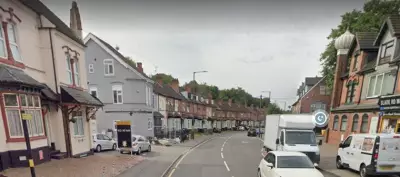
Alum Rock Road has been officially designated as Birmingham's most notorious street for parking fines, with traffic wardens issuing a staggering number of penalties on a daily basis. This busy and congested route sees enforcement officers patrolling regularly, and they are rarely without work, catching rule-breaking motorists time and again.
Shocking Statistics Reveal Scale of Offences
According to freedom of information data obtained by local sources, a total of 10,512 penalty charge notices (PCNs) were issued along Alum Rock Road between January and November last year. This translates to an average of 32 fines every single day and approximately 224 penalties each week. These figures far exceed those of any other street in Birmingham, with Stratford Road in Sparkhill coming in second with 6,464 PCNs.
Common Offences and Daily Patrols
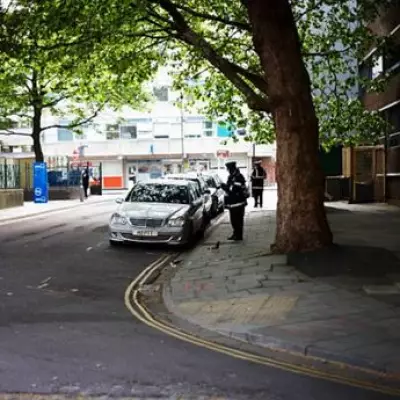
Traffic wardens on Alum Rock Road routinely spot and penalise a variety of parking violations. The most frequent offences include:

- Parking on double yellow lines
- Refusing to pay for parking where required
- Overstaying in time-limited parking spaces
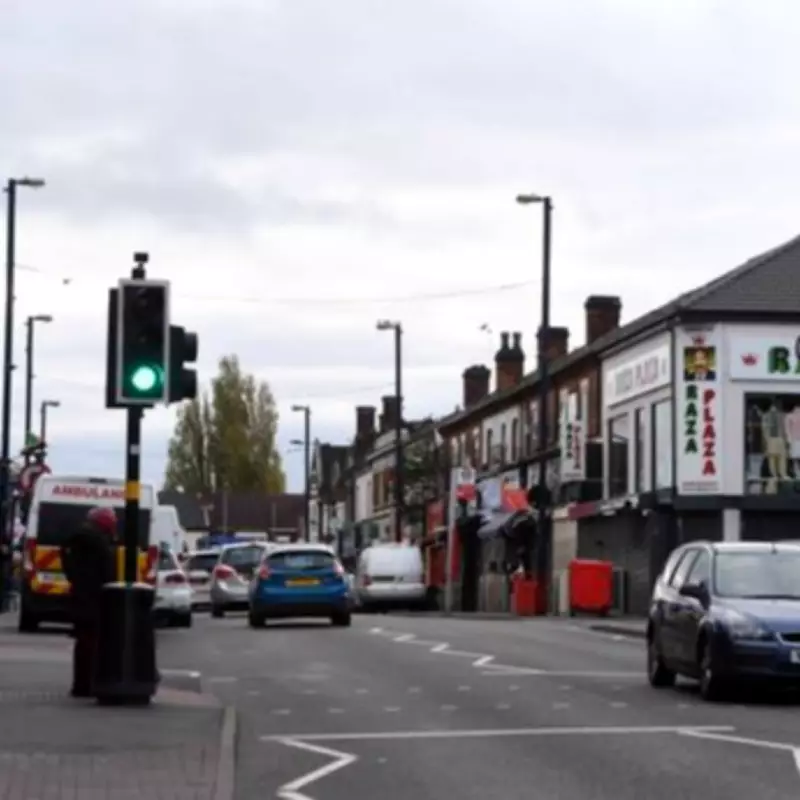
The road's status as one of Birmingham's busiest routes, passing through Saltley into Alum Rock, means it regularly becomes congested during peak times. Lined with shops, businesses, and residential areas, there is often intense competition for parking spaces, leading many drivers to take risks.
A Long-Standing Issue with Continued Risks
Despite its notorious reputation for parking problems over many years, motorists continue to break the rules along Alum Rock Road. The high volume of fines serves as a clear warning that taking chances here is unlikely to go unpunished. This hotspot highlights the ongoing challenges of parking management in urban areas, where demand often outstrips supply, prompting illegal behaviour.
The data underscores the effectiveness of daily warden patrols in enforcing regulations, but also points to a persistent issue that may require further attention from local authorities to address underlying causes, such as inadequate parking infrastructure or public awareness campaigns.