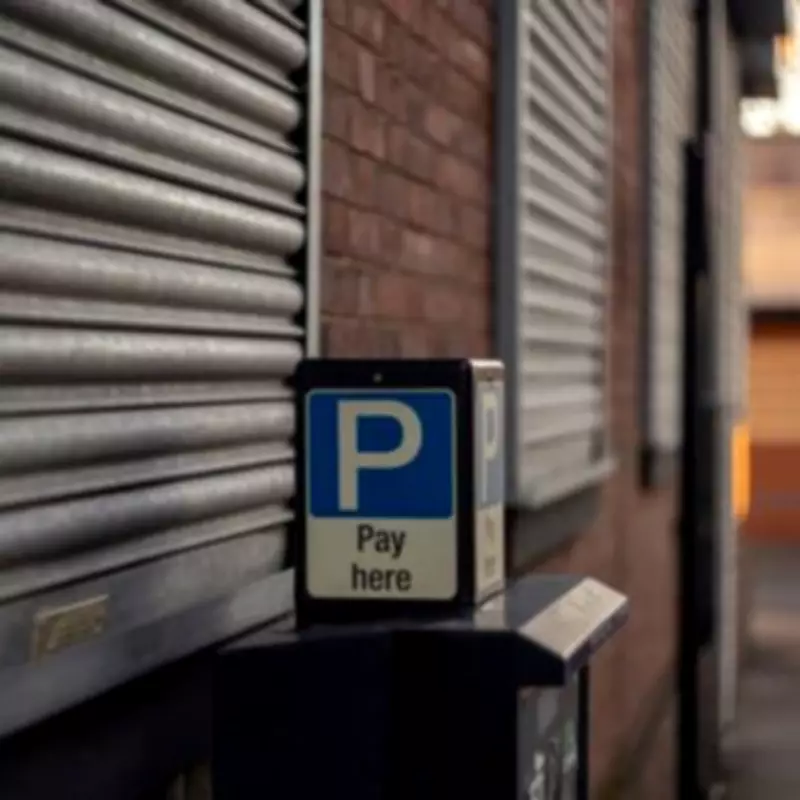
New on-street parking charges based on vehicle carbon dioxide emissions will be implemented in Reading starting from Monday, marking a significant shift in the town's transport policy. Owners of more polluting vehicles will face substantially higher tariffs, although approximately 50% of motorists are expected to see no change to their current parking costs.
How the New Emission-Based System Works
The innovative emission-based charging structure will apply to both pay-and-display on-street parking and residents' parking permits throughout Reading. This scheme represents a key component of the Council's comprehensive strategy to enhance air quality, improve public health, and substantially reduce carbon emissions across the town.
By implementing these measures, the Council aims to actively encourage residents to consider alternative transport options including public transport services, low emission vehicles, cycling, and walking for their daily journeys.

Sliding Scale Tariff Structure
A carefully designed sliding scale of parking charges will be introduced, directly correlating to each vehicle's specific CO2 emissions. The system will impose a tariff increase of 20% for qualifying petrol vehicles and 25% for diesel vehicles that meet the emission threshold criteria.
Importantly, these enhanced tariffs will only apply to vehicles with emission levels measuring 151g/km (grams per kilometre) or above. This threshold means that numerous petrol vehicles, particularly newer and more efficient models, will completely escape any additional parking charges under the new system.
Council projections indicate that around 50% of cars will fall into the lowest price category and consequently experience no increase in parking costs whatsoever. A further 25% of vehicles are expected to fall into the first band, resulting in only minimal increases to their parking expenses.
Implementation and Practical Application
Motorists utilizing on-street pay-and-display parking bays will be required to enter their vehicle registration number at payment machines. The system will then automatically calculate charges based on the vehicle's emissions data held by the DVLA for road tax purposes, ensuring accuracy and consistency across all transactions.
All new applications for resident parking permits, along with other types of parking permits, will be assessed using the emission-based charging structure from 2 February 2026. Furthermore, any renewal of existing parking permits after this date will also become subject to the new tariff arrangements.
Council Perspective and Environmental Goals
Cllr John Ennis, Lead Councillor for Climate Strategy and Transport, emphasised the Council's commitment to this initiative, stating: "Good air quality represents a high priority for the Council, and although we are witnessing an improved situation in Reading, there remain specific areas where pollution levels continue to exceed acceptable standards."
"This pollution directly impacts the health and wellbeing of our residents, particularly affecting vulnerable groups including children, older people, and those with pre-existing heart and lung conditions," he added.
The councillor further explained: "We recognise that transport accounts for approximately 30% of carbon emissions nationally. The introduction of emission-based parking charges constitutes one significant method through which the Council is working to reduce this environmental impact."
Supporting Infrastructure and Future Plans
The Council has made substantial investments in improving local bus services and actively encouraging cycling and walking as sustainable transport alternatives. Additionally, a major programme to roll out public electric vehicle charging points across Reading is scheduled to commence later this year, further supporting the transition to cleaner transport options.
Cllr Ennis provided reassurance to residents: "Approximately 50% of vehicles are expected to avoid any extra charges under the new emission-based charging scheme, with another 25% likely to face only the lowest tariff increase. Consequently, only those operating the most polluting vehicles will be required to pay additional amounts for on-street parking within Reading."

He concluded with an aspirational statement: "I genuinely hope this scheme encourages people to thoughtfully consider their transport choices and explore all available travel options that can contribute to a cleaner, healthier Reading for everyone."