Labour's Proposed Parking Reforms Spark 'Carmageddon' Fears Across UK Cities
Urban centers across the United Kingdom could face severe traffic gridlock under proposed parking reforms being considered by the Labour Party government, industry experts have warned. The British Parking Association (BPA), representing parking operators nationwide, has raised alarm about potential "carmageddon" if planned changes to parking enforcement proceed.
Key Changes Under Consideration
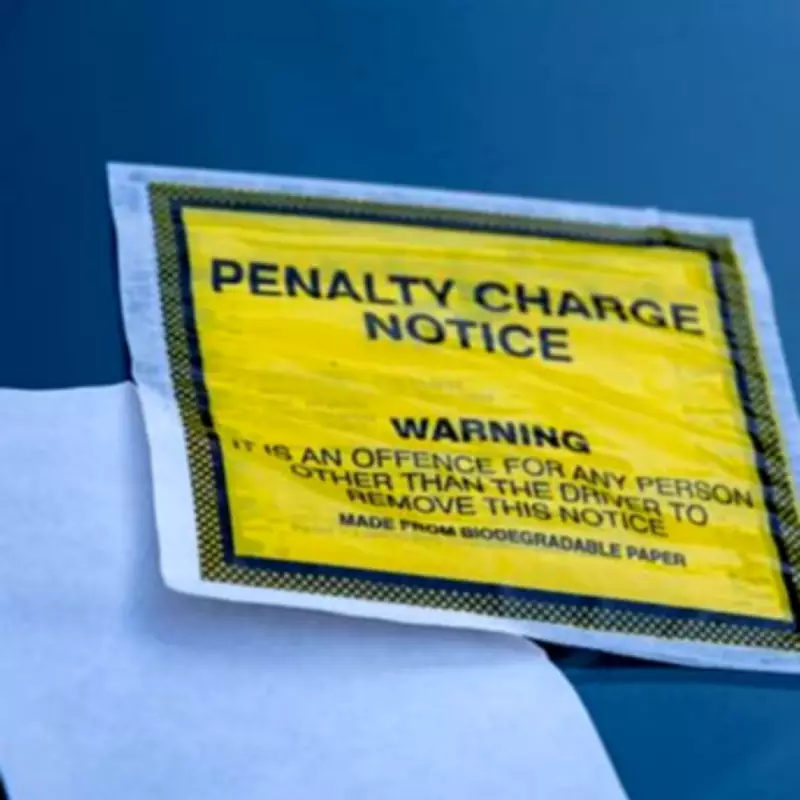
The Ministry of Housing, Communities and Local Government is currently consulting on significant modifications to parking regulations. The most notable proposals include lowering the current £100 cap on parking fines and completely banning the use of debt recovery agencies in collecting unpaid penalties.
Currently, parking fines are capped at £100 across Britain, but this amount can increase by an additional £70 after 28 days if debt recovery agencies become involved in collecting the outstanding amount. The proposed changes would eliminate this escalation mechanism while potentially reducing the initial penalty threshold.

Industry Concerns About Enforcement Effectiveness
Alison Tooze, the BPA's chief policy and engagement officer, expressed serious concerns about the practical implications of these reforms. "The Government code framework has good intentions," Tooze acknowledged. "However, we face an operational reality where we could see 'carmageddon' in towns and cities and the already struggling court system being completely overwhelmed."
Tooze emphasized that without sufficient financial penalties to deter violations, motorists might park less diligently, potentially creating what she described as a "parking free-for-all" in urban areas. "We absolutely do not want this to happen," she stressed, noting that the code is intended to protect responsible drivers, vulnerable road users, and communities but could inadvertently produce opposite results.
Historical Precedents of Parking Chaos
The BPA pointed to recent examples where inadequate parking enforcement has led to significant problems. "We have seen high-profile examples of this across the country, including in Bournemouth and Aberystwyth where they were completely gridlocked by unfair motorist behavior," Tooze explained.
These incidents demonstrate what can occur when drivers perceive minimal consequences for violating parking regulations. "Nobody wants to see this on a bigger scale," Tooze added, "and these examples illustrate what does happen in reality when drivers are not concerned about the consequences of breaking the rules."
Motorist Advocacy Perspective
Simon Williams, head of policy at the RAC, offered a different perspective on the proposed changes. "We don't support the use of debt recovery companies by the private parking industry," Williams stated, "and we hope to see it tackled in the Government code of practice when it comes into force."
Williams highlighted concerns about current penalty structures, noting that "a £100 parking charge notice is bad enough, but if this isn't paid in 28 days it automatically gets increased by £70 when a debt recovery letter lands on the doormat." He characterized this escalation as "disproportionate" and suggested it could intimidate motorists into paying potentially unfair fines rather than appealing them through proper channels.
Balancing Reform with Practical Realities
The debate centers on finding the right balance between protecting motorists from excessive penalties and maintaining effective parking enforcement to prevent urban congestion. While the proposed changes aim to create fairer parking systems, industry representatives warn that insufficient deterrents could lead to widespread parking violations and subsequent traffic problems.
As the consultation process continues, stakeholders from all sides are emphasizing the need for practical solutions that address both motorist concerns and the operational realities of urban parking management. The outcome could significantly impact how UK cities manage their limited parking spaces and maintain traffic flow in increasingly congested urban environments.