Parking Crisis: Modern Cars Outgrow Vintage Parking Spaces
Drivers across the UK are facing a growing parking challenge as their vehicles expand in size while parking bays remain stuck in the past. The traditional British parking space is shrinking in comparison to modern automotive design, creating a significant problem for motorists.
The Growing Discrepancy Between Cars and Parking Bays
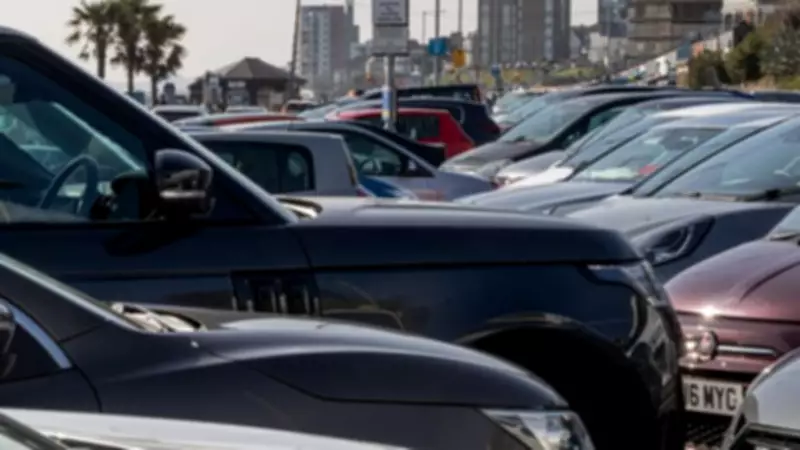
While cars have grown significantly wider and longer over recent decades, the white lines in local council car parks often haven't changed since the 1970s. This mismatch has created what experts are calling a 'size trap' for unsuspecting motorists driving modern SUVs and electric family cars.
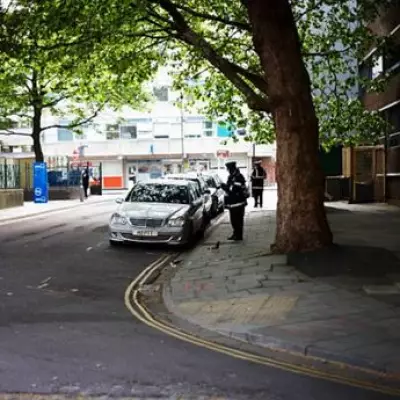
Recent data confirms that several local authorities are now strictly penalising any vehicle that fails to stay entirely within these vintage dimensions. If your vehicle's nose or tail crosses the painted boundary, you are technically in breach of the Traffic Management Act and could return to find a Penalty Charge Notice waiting on your windscreen.

The 'Autobesity' Phenomenon
Natalie Hitchins, home products and services editor at Which?, warns that "cars are getting larger and larger" as manufacturers prioritise interior comfort and battery space. She notes that while this improves the driving experience, "it could be a problem when it comes to squeezing into a parking space."
This phenomenon, often dubbed 'autobesity', has left the standard 4.8-metre bay fundamentally unfit for many of the UK's best-selling vehicles. Richard Hebditch, director at Transport & Environment UK, argues that the trend is "absurd" and should be ringing alarm bells in every town hall across the country.
Hebditch points out that current regulations allow new cars to be as wide as trucks, which effectively 'spills' them out of their designated spaces. He believes that until the UK sets stricter limits, our roads will continue to be dominated by 'American-style' vehicles that don't fit our infrastructure.
Why Councils Are Cracking Down
The RAC has highlighted that while vehicle sizes have ballooned, the industry guidelines for parking spaces haven't seen a significant update in nearly 50 years. Rod Dennis, a senior policy officer at the RAC, has noted that drivers are often left in an impossible position by these outdated standards.
Authorities in areas like Wokingham and Cardiff are leading the move toward stricter bay management to ensure road safety and traffic flow. Elly Baker, chair of the Transport Committee on the London Assembly, noted that: "London's limited road space wasn't designed for the monster vehicles we are now seeing sold."
Beyond physical space, there is a growing push to discourage these oversized vehicles from congested city centres through financial penalties. Dan De'Ath of Cardiff Council explained: "It's not about banning things, it's about gently encouraging behaviour change through revised fee structures and stricter policing of bay lines."
How to Protect Yourself from Parking Fines
To avoid a 'failure to park within a marked bay' fine, drivers should consider these practical strategies:
- Prioritise end-of-row spaces that offer extra overhang room in non-traffic areas
- Check parking apps like RingGo or PayByPhone, as some modern lots now list 'XL' spaces specifically for larger SUVs
- If you are ticketed, check if the bay itself meets the minimum recommended size guidelines of 4.8m by 2.4m before paying the fine
You may have a strong case for appeal if the council has failed to provide adequately sized facilities for modern, road-legal vehicles. The growing discrepancy between vehicle sizes and parking infrastructure represents a significant challenge for both drivers and local authorities across the country.