Birmingham’s critical local elections are now just days away, and political parties are setting out their vision for the city’s future. One particularly eye-catching pledge has come from the Conservatives, who have promised to conduct a feasibility study into a large-scale Birmingham Underground system if they take control of the council.
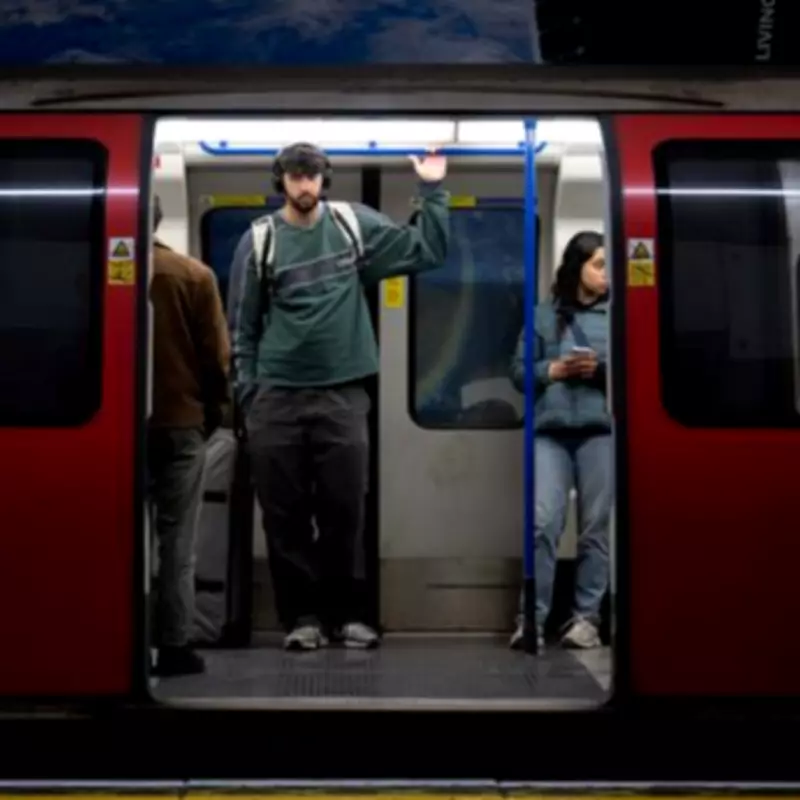
They shared the pledge in a video on social media, showing the iconic London Tube while a sign reads: “Coming to Birmingham soon?” However, the announcement was met with scepticism online amid questions over whether a ‘Brumderground’ is realistic, given a previous study from around two decades ago concluded that trams were the way forward.
Criticism from Labour and Others
Labour election candidate John O’Shea argued on X, formerly Twitter: “This study was done twenty years ago under the last Tory council. There’s nothing that has changed since then that would make this a good idea.” Labour councillor David Barker, current chair of the transport committee, acknowledged that Brummies “need an integrated mass transit system for the city and region” but added: “We have to be real about what is physically possible. And… isn’t this a combined authority level issue?”

One X user said: “You know it’s not viable. They told you that last time. Why waste more money.” University lecturer Simon J Dixon described the pledge as “silly”, pointing to factors such as unsuitable geological conditions.
Tories Defend the Plan
But the Tories remained defiant, with group leader Robert Alden saying that over 230 cities worldwide have underground systems. “Birmingham Local Conservatives are committed to holding a feasibility study to see how we can unlock Birmingham’s full potential by affordably delivering one here,” he told the Local Democracy Reporting Service.
Alden pointed to improvements in tunnelling technology over the last 20 years and said the study would focus on reducing costs and red tape. “Cities as small as Renne have underground metro systems. Cities like Sydney have built underground systems through sandstone. A part underground, part overground system in Birmingham could bring huge investment into our city over the medium term.”
He added: “For 60 years, Westminster has favoured transport investment into London, we say it’s time to unleash Birmingham’s economy.” The Tory councillor insisted underground trains, as part of a joined-up overground rail and metro system, could unlock higher wages and prosperity.
Hurdles and Context
A huge scheme like this would face many hurdles, and it remains to be seen whether residents can be convinced it’s achievable or whether it will be dismissed as unrealistic. Recently, Birmingham saw projects such as HS2 and the Camp Hill Line hit by delays and soaring costs.
Alden argued: “While Labour candidates attacking our proposals may be happy to continue with Birmingham having some of the most deprived communities in the country and a lower average wage than London, Local Conservatives make no apologies for wanting better for residents. A feasibility study is about making sure we get the big decisions right and avoid costly mistakes down the line.”
In their manifesto, the Tories have also backed new railway stations at Castle Vale, Sutton Park, and Balsall Heath, and want to prioritise the creation of more metro, rail, and light rail lines over sprint buses where possible.
Other Parties’ Transport Plans
Labour West Midlands Mayor Richard Parker says he is focused on extending the tram to Birmingham City FC’s new stadium site and upgrading stations serving Villa Park. The Lib Dems and Green Party want an additional station serving Balsall Heath on the Camp Hill line, while the Greens call for full funding for reopening the Sutton Park line and Castle Bromwich station.
Reform UK’s deputy leader Richard Tice has previously called for HS2 to be axed, a move which would “rip out billions of investment already flowing into the West Midlands” according to Mayor Parker. The full list of candidates standing in Birmingham’s local elections can be found on the city council website. The elections on May 7 are hugely significant and will decide which party or coalition runs the council for the next four years.