Two major UK airlines have assured tourists that their summer holiday plans will proceed as normal amid global fears over a jet fuel crisis due to the Iran war.
Background of the Conflict
The US and Iran have been in conflict since February 28 when joint US-Israeli forces carried out strikes on several strategic Iranian sites. Iran retaliated by striking sites across the Middle East and shutting the critical Strait of Hormuz trade route. About 20% of global oil traded passes through the strait, which remains shut. Despite a fragile short-term ceasefire agreement, no long-term peace deal has been agreed, leaving oil prices turbulent.
Airlines' Responses
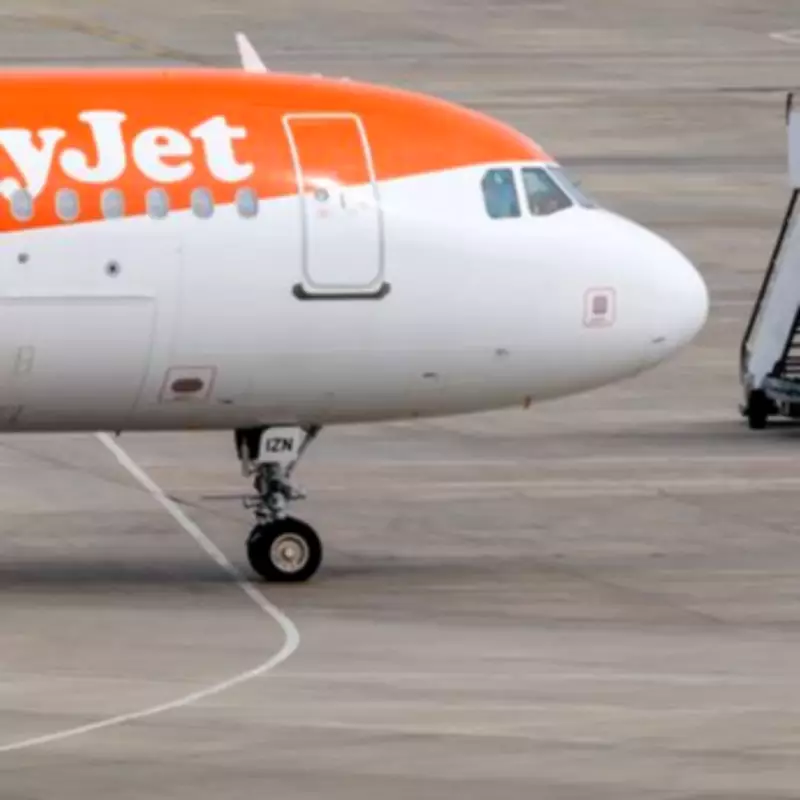
The UK's easyJet and Jet2 have updated customers on flight plans ahead of the summer holidays. EasyJet's chief executive Kenton Jarvis told BBC Radio 4’s Today that passengers should not be concerned about their bookings. He said that the airline has experienced no problems with fuel availability. Jet2 has also confirmed that it has ample fuel and will not impose surcharges. It said it has received positive updates from its fuel suppliers and detailed increased production and additional imports from areas unaffected by the war.

Industry Warnings
The International Air Transport Association (IATA) has, however, warned travellers to prepare for higher air fares as airlines struggle to absorb escalating costs stemming from trade disruptions. IATA's director general Willie Walsh told the BBC that while there is no immediate concern regarding potential jet fuel shortages, the inevitable consequence of rising fuel prices will be an increase in air ticket costs. "There may be some instances where airlines will discount to stimulate some traffic flow… but over time it's inevitable that the high price of oil will be reflected in higher ticket prices," he said.
Flight Cancellation Data
May has seen dramatic flight cancellations. Data from aviation analytics firm Cirium shows almost 300 departures from UK airports were cancelled in May. But week-on-week schedule reductions for June remain limited at 48 fewer outbound flights. July has seen a reduction of 31 flights week-on-week. August shows a minimal decrease of just four flights. Heathrow Airport has recorded just over 100 cancellations. These are extensions of previously planned operations to airports in the Gulf region, where resumption dates have been further delayed, rather than new disruptions.