London Pedicabs to Operate Under Strict New Regulations from October 2026
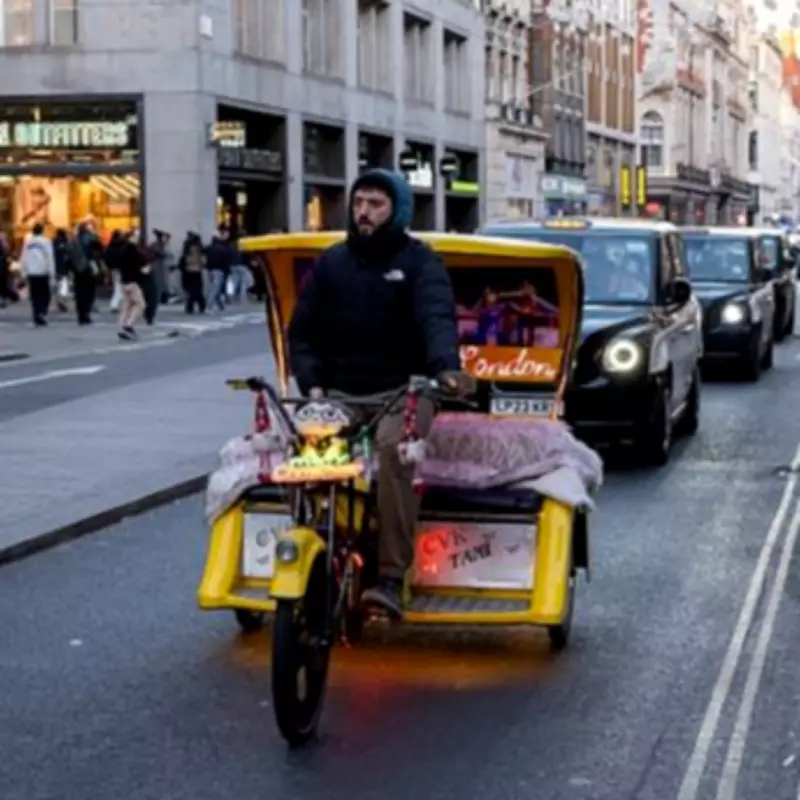
Transport for London (TfL) has unveiled comprehensive new rules for pedicabs and rickshaws operating in the capital, with the regulations scheduled to come into force on 30 October 2026. The measures aim to address long-standing concerns about fare exploitation, safety issues, and noise pollution associated with these popular tourist vehicles.
Licensing and Safety Requirements for Pedicab Operators
Under the new regime, all pedicab riders will be required to obtain a formal license from TfL. This licensing process will involve several key components designed to enhance professionalism and safety standards across the industry.
- Riders must pay for their license and demonstrate English language proficiency
- All operators must pass a comprehensive safety test for their vehicles
- Drivers must hold a valid driving theory test certificate
- Pedicabs must meet specific road legality standards
These requirements represent a significant shift toward formalizing what has traditionally been a largely unregulated sector of London's transport network.

Fare Caps and Pricing Structure
One of the most significant changes involves the implementation of fare caps to prevent what authorities have described as "rip-off" pricing. The new pricing structure establishes clear limits on what pedicab operators can charge passengers.
The TfL proposals specify a maximum base fare of £5, with additional charges calculated per minute of travel. For the first passenger, the rate will be £1 per minute, while every additional passenger will incur a charge of £3 per minute. This standardized pricing aims to provide transparency and prevent exploitation of tourists and visitors.
Ban on External Audio and Noise Reduction Measures
Responding to numerous complaints from residents and businesses, TfL will implement a complete ban on externally amplified audio from pedicabs. This measure specifically targets the blaring music that has become a common nuisance in busy central London areas.
The prohibition on external audio addresses one of the most frequent complaints about pedicabs, particularly in entertainment districts like Soho and around Covent Garden, where loud music from these vehicles has disrupted both residents and other businesses.
Mayor's Vision for a Reformed Industry
London Mayor Sadiq Khan, who has held the position since 2016, emphasized that while pedicabs play an "important role in supporting our nighttime economy," they must operate according to proper standards.
"Pedicabs should be a fun way to explore London - but too often people face rip-off fares, blaring music and unsafe behavior," Mayor Khan stated. "We're bringing in these new rules so that both customers and drivers can benefit from an industry that is more safe, reliable and professional."
The Labour Party politician acknowledged the economic contribution of pedicabs while stressing the need for reform. He explained that the regulations align with his administration's broader goal of creating a "safer, fairer, greener London for everyone."
Implementation Timeline and Industry Impact
The new licensing regime and maximum fare structure will officially take effect from 30 October 2026, giving operators approximately two and a half years to prepare for the changes. This implementation period allows for a gradual transition to the new regulatory framework.
The comprehensive nature of these regulations represents the most significant overhaul of London's pedicab industry in decades, addressing multiple concerns that have accumulated over years of relatively unregulated operation. The measures balance the need to maintain this unique transport option with the necessity of protecting consumers and maintaining public order in busy urban areas.
Transport for London will oversee the implementation and enforcement of these new rules, working closely with pedicab operators to ensure a smooth transition to the regulated system. The changes are expected to fundamentally transform how pedicabs operate in London while preserving their role in the city's vibrant nighttime economy.