Opening Dates Announced for Long-Awaited Railway Stations
After years of delays and soaring costs, five new railway stations in Birmingham and the Black Country are finally set to open to passengers in the coming weeks. Transport for West Midlands (TfWM) has confirmed the operational dates for these much-anticipated facilities, marking a significant milestone for regional connectivity.
Station Opening Schedule and Locations
The three new stations on the Camp Hill Line—Moseley Village, Kings Heath, and Pineapple Road—will open on Tuesday, April 7, 2026. Meanwhile, the two stations in Walsall—Willenhall and Darlaston—will open several weeks earlier on Thursday, March 19, 2026. All five stations were originally scheduled for completion in 2023 but faced multiple setbacks, including budget pressures and construction delays.
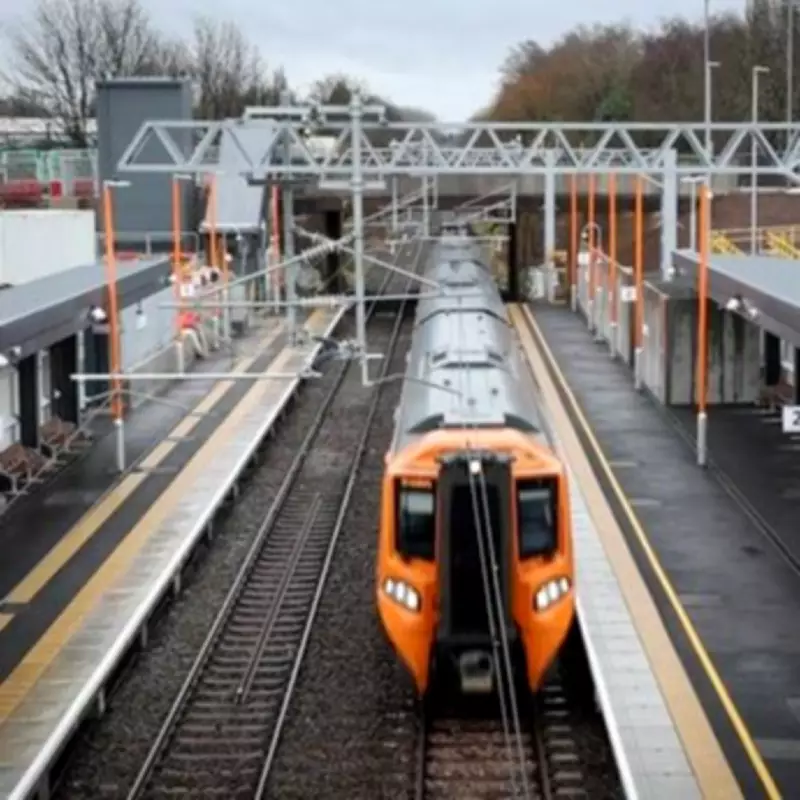
Construction work was finalized just before Christmas, with current efforts focused on preparing the facilities for rail passengers. The stations have been built to modern standards, featuring sheltered platforms, accessible lifts, ticket machines, and secure cycle racks. Darlaston Station includes a car park with 300 spaces for park-and-ride commuters, while Willenhall offers an additional 33 parking spaces.

Service Details and Historical Context
Moseley Village, Kings Heath, and Pineapple Road will receive a half-hourly train service between Birmingham city centre and Kings Norton. Willenhall and Darlaston stations will be added to the timetable for the hourly Shrewsbury to Birmingham New Street Station service via Wolverhampton. The Mayor and West Midlands Rail Executive are working with partners to secure further regular services for these new stations.
This project restores passenger services to the Camp Hill line for the first time since the early 1940s and ends a 60-year wait for services to return to Willenhall and Darlaston, which ceased in 1965. West Midlands Mayor Richard Parker emphasized the importance of this development, stating, "Closing those stations during the last century was a short-sighted mistake which has now been put right—no longer will residents have to watch every day as trains rush past without stopping."
Funding and Political Challenges
The project has been supported by £126 million in funding from the Government, with an additional £30 million committed by West Midlands Mayor Richard Parker following a 2024 review of transport projects. This review was prompted by delays and budget pressures, including a £121 million shortfall that pushed the Camp Hill scheme back by a year. Mayor Parker called for the review due to concerns over funding and delivery, criticizing his predecessor Andy Street for making "grand promises" that weren't being delivered. In response, Mr. Street defended his record, noting he had "bequeathed to the new Mayor billions in devolved transport funding" for the projects.
No final decision has been made on timetables, particularly regarding whether services calling at Willenhall and Darlaston will continue to Walsall's main station—a proposal previously described as "bonkers" by Walsall Council deputy leader Adrian Andrew. Mayor Parker is in dialogue with the Department for Transport (DfT) to resolve this issue.
Community and Economic Impact
Local leaders have hailed the openings as a boost for communities and economic growth. Cllr Mike Bird, leader of Walsall Council, said, "These stations will offer quicker, greener, and more reliable links to the wider region, helping to reduce congestion and creating new opportunities for work, education, and leisure across Walsall." Cllr Majid Mahmood, Birmingham City Council cabinet member for environment and transport, added that the line will help ease traffic congestion, reduce pollution, and improve bus reliability.
The stations have been delivered in partnership with the Department for Transport, West Midlands Railway, Network Rail, and Walsall and Birmingham City councils. This initiative is expected to support high streets, open up new opportunities, and drive economic growth across the region.