Major Train Ticket Refund Rule Change Takes Effect April 1 to Combat Fare Evasion
Significant alterations to train ticket regulations are set to be introduced next month as part of a concerted effort to tackle fare dodgers across the rail network. The new conditions governing ticket refunds will officially come into force on April 1, marking a pivotal shift in passenger policy.
Stricter Refund Deadlines Implemented
From the beginning of April, passengers will no longer be eligible to receive refunds on Off-Peak and Anytime train tickets after 11:59pm on the day preceding their scheduled travel. This rule adjustment represents a substantial tightening of the previous refund window, directly impacting how travelers manage last-minute changes to their plans.
Cracking Down on Costly Fraud
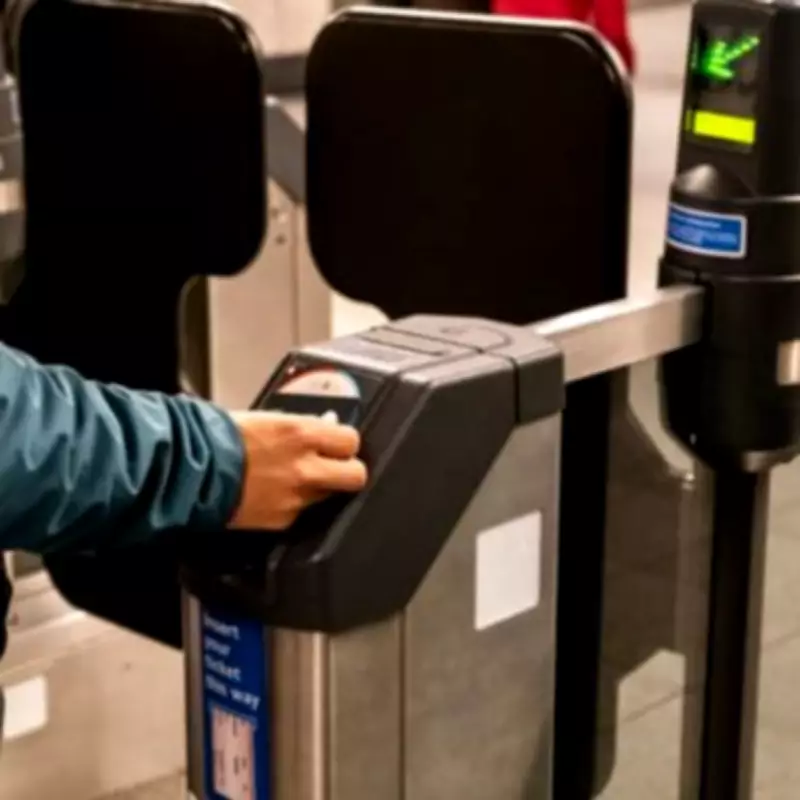
Rail authorities have clarified that this new regulation is specifically designed to clamp down on fraudulent activities that have been draining approximately £40 million annually from the railway system. Train operators reported that fare evaders have been systematically claiming refunds for tickets that were not scanned at barrier gates, even in instances where the journey was actually completed.

Rail Minister Lord Peter Hendy emphasized the necessity of these measures, stating: "Deliberate fare dodging has no place on our railways. It drains much needed revenue and undercuts the trust of passengers who play by the rules. Changing refund rules will help stamp out fraud, keeping money in the railway – which will ensure we can deliver an improved railway with passengers at its heart."
Political Perspectives on Rail Affordability
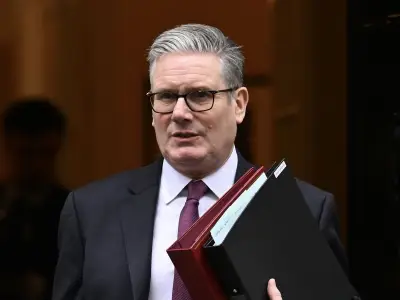
The announcement coincides with broader political discussions regarding rail fare affordability and public ownership. Labour Party Prime Minister Keir Starmer commented on the importance of accessible transport, noting: "Affordable, reliable transport links are the gateway to jobs, school, and opportunities. So it’s not right that passengers are being priced out of the routes they should rely on because of endless hikes."
Starmer highlighted a recent fare freeze as a positive step, describing it as "the first since the 90s" that will "put more money in working people’s pockets." He added: "By keeping costs down we are making journeys more affordable for millions of people - putting train travel back into the service of passengers, not profits."
Government Commitment to Railway Reform
Transport Secretary Heidi Alexander reinforced the government's dedication to creating a more economical and dependable rail system. She stated: "Freezing rail fares for the first time in 30 years will help millions of passengers keep more of their hard-earned cash, with commuters on some routes saving more than £300 a year. As we bring the train operating companies into public ownership, and set up Great British Railways, we are determined to build an affordable railway that the public can be proud of and rely on."
This comprehensive approach combines stricter anti-fraud measures with initiatives aimed at enhancing affordability, reflecting a dual strategy to improve both the financial integrity and passenger experience of the national rail network.