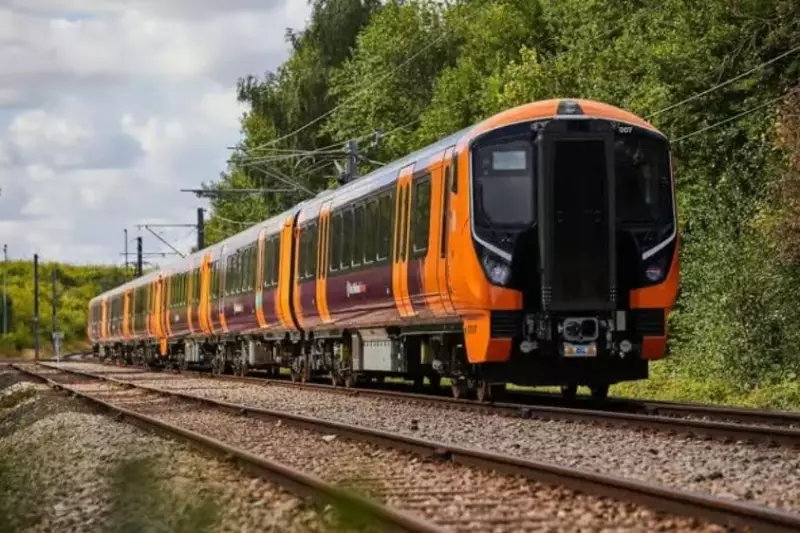
A significant change is coming for rail users in the region as West Midlands Railway prepares to transition into public ownership next month. The operator will formally change its name and legal structure, marking a new chapter for the local transport network.
Key Date and Details for Passengers
The shift will officially take place on 1st February 2026. From that date, the service will be operated by a newly established entity called WM Trains Limited. This move is part of a long-planned transition that will see the franchise brought under public control.
Officials have been keen to stress that, for the travelling public, the change will be largely behind the scenes. The same trains will run on the same schedules, managed by the same frontline staff and teams that passengers are familiar with. The visible branding and livery are expected to remain unchanged for the immediate future.

What the Change Means for Your Personal Data
A central part of the notification to passengers concerns the handling of personal information. A company spokesman explained the implications clearly.
“Responsibility for your personal data will transfer from West Midlands Trains Limited to WM Trains Limited,” the spokesperson stated. “This is a legal change only - your data will continue to be handled in the same systems, by the same teams, and used for the same purposes.”
Passengers have been told they do not need to take any immediate action. An updated privacy notice reflecting the new legal operator will be published on the official website when the change takes effect on 1st February.
Looking Ahead: Continuity and Service
The core message from the operator is one of continuity. The planned alteration is an administrative and legal restructuring, not an operational overhaul. The focus remains on maintaining reliable services for communities across the West Midlands network.
This transition represents a notable shift in the management model of a key regional transport asset, aligning it with a growing number of UK rail services under public ownership. Passengers will be watching closely to see how the change influences long-term service delivery and investment.