Hundreds of thousands of motorists have been hit with fines following a major rule change to London's tunnel tolls, sparking accusations of a 'war on motorists'.
A Wave of Penalty Notices
Transport for London (TfL) has issued approximately 500,000 penalty charge notices (PCNs) to drivers for failing to pay the new charges for the Blackwall and Silvertown tunnels. The controversial fees were introduced by Labour Mayor Sadiq Khan on April 7, marking the first time in over 120 years that drivers have had to pay to use the Blackwall tunnel.
For the first few weeks after the change, TfL operated a grace period, sending warning letters instead of the standard £180 fine. However, this leniency ended, and the full penalty charge notices began being issued from April 30.

The Scale of the Enforcement
New figures reveal that around 100,000 penalties are now being issued every month to drivers who do not pay the levy. Intriguingly, about half of these fines are sent to people who live outside of London, indicating a significant impact on visitors to the capital.
TfL has clarified that the fines have been issued to the owners of 281,242 vehicles, confirming that some drivers have received multiple penalty tickets for repeated offences.
Political Backlash and TfL's Defence
The sheer volume of fines has ignited a fierce political debate. Susan Hall, the leader of the City Hall Conservative Party, did not mince her words when speaking to The Standard. “The war on motorists is not dead – certainly not in Sadiq Khan’s London,” she stated. “To make more than £400m from motorists at a time when the cost of living is sky-high is shameful. The signage could be so much better. Sadiq Khan will not be happy until all cars and vehicles are off London’s roads.”
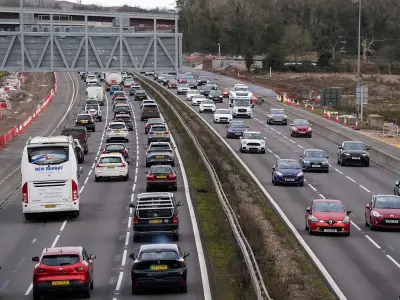
In response, a TfL spokesperson defended the charges and their enforcement. They emphasised that the Silvertown tunnel is already achieving its goals of reducing congestion around the Blackwall tunnel and improving journey times. They also highlighted that the vast majority of drivers are complying with the new rules.
The spokesperson added, “The income from these charges and any enforcement activity [is] used for the operation, maintenance, and repayment costs for the tunnels with any surplus reinvested back into the wider public transport network.”