British motorists are bracing for a significant financial hit as a long-standing fuel duty freeze, in place since 2011, faces being scrapped in the upcoming Budget. The AA has issued a stark warning that petrol prices could surge to an average of 142.2p a litre if the policy is not extended.
What is the Fuel Duty Freeze?
The fuel duty rate has been frozen for 14 years, since 2011. In a further measure to help with the cost of living, a temporary 5p per litre cut was introduced in March 2022 by the then-Chancellor, Jeremy Hunt. This was a direct response to the spike in global oil prices following Russia's invasion of Ukraine.
The combination of these measures has kept fuel costs lower than they would have been otherwise. However, with the new Labour government preparing its Budget, the future of this financial relief for drivers is now in serious doubt.

Industry Leaders Sound the Alarm
Motoring and haulage groups are united in their concern. The AA's Jack Cousens stated that the recent increase in pump prices has put national averages on a 'knife-edge', potentially returning to the record levels seen before the Covid pandemic if the 5p cut is cancelled.
Edmund King, the AA's President, went further, warning that 'hiking UK fuel duty, with global turmoil threatening oil prices at every turn, could be disastrous for the UK economy and drivers dependent on road travel.' He emphasised that such a move would hammer working people, add costs to deliveries, and ultimately fuel inflation.
The Road Haulage Association has also added its voice to the calls for action. David Boot, its Director of Public Affairs & Policy, said: 'We’ve repeatedly warned that a fuel duty increase won’t just impact businesses and motorists – it will directly hit households across the country. It impacts how we move goods, feed families and keep the economy running.'
The Potential Impact on Your Pocket
According to the AA's analysis, the consequences of ending the relief would be immediate and severe:
- Petrol prices would average 142.2p per litre, just below the historic record of 142.5p set in April 2012.
- Diesel prices would jump to an average of 150.6p per litre.
Simon Williams, the RAC's fuel spokesman, highlighted the growing burden on households, noting that 'the cost of simply keeping vehicles on the road has become the most significant financial challenge facing drivers.' With driving being a necessity for many, the sector is urging the Government not to hit drivers in the pocket at a time of already high living costs.
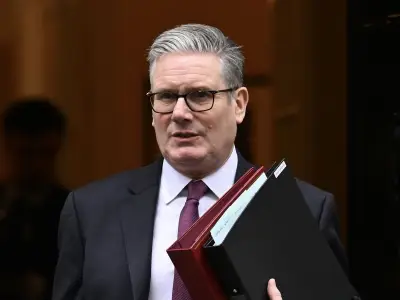
All eyes are now on Chancellor Rachel Reeves, who is being urged to maintain the freeze and prevent a fresh wave of motoring-related inflation from washing over the UK economy.