UK drivers have received a temporary reprieve on fuel costs, but face a new era of taxation for electric vehicles. Chancellor Rachel Reeves has announced that the 5p-per-litre cut in fuel duty will be extended, but only for a further five months until September 2026.
A Short-Lived Relief for Petrol and Diesel Drivers
In a statement to the Commons, the Labour Chancellor confirmed the freeze, a move hailed as "delightful" by campaigners in the short term. However, motoring experts warn the relief will be brief. From September 2026, fuel duty will begin to increase annually, with the 5p cut being phased out completely.
Steve Walker, Head of Digital Content at AutoExpress, noted the news would be welcomed but cautioned on its temporary nature. Iain Read from Carwow highlighted the impact on household budgets, stating: "Phasing out the 5p fuel duty cut will be felt by drivers already managing rising living costs." He added that the staged increase would pressure commuters, families, and rural motorists.

The New Electric Vehicle Charge Explained
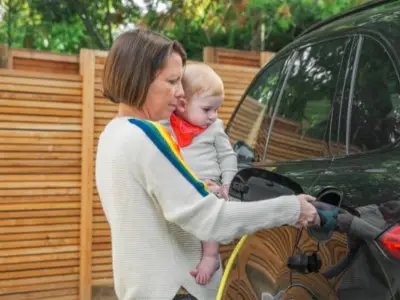
The major new policy announcement was the introduction of an additional electric vehicle excise duty (VED), set to begin in 2028. This will be a pay-per-mile charge of 3p per mile for fully electric cars and 1.5p per mile for plug-in hybrid vehicles.
The new levy is expected to raise significant revenue, with forecasts of £1.1 billion in the 2028-29 financial year, rising to £1.9 billion by 2030-31. Chancellor Reeves stated the funds would help "double road maintenance funding in England over the course of this parliament." Electric vans, buses, and HGVs will be exempt from the new charge.
Mixed Reactions and Future Concerns
Howard Cox of FairFuelUK, who has campaigned for lower fuel taxes for 15 years, welcomed the duty freeze extension. However, he expressed deep concern about the new EV tax, calling it "the thin end of the wedge that will hit all motorists whatever the fuel used." He pledged his campaign would continue to fight for lower road user taxes.
The Chancellor also outlined plans to accelerate the rollout of public EV charging points and offer exemptions from business rates. However, she faced criticism for not lowering VAT on public charging to match domestic electricity rates, a move some had hoped for.
This dual announcement marks a pivotal shift in motoring taxation, offering short-term relief for traditional vehicles while laying the groundwork for a new system to tax the electric revolution on Britain's roads.