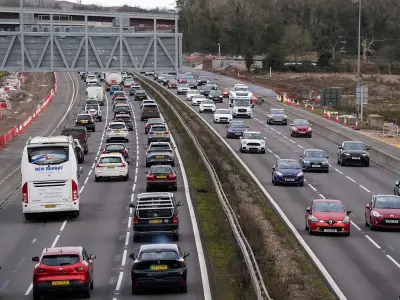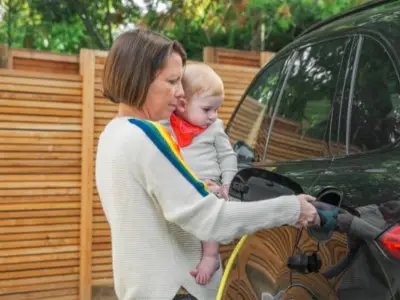
Proposed new charges from the Labour Party government could lead to a dramatic shift in Britain's relationship with the car, with one in five motorists considering surrendering their vehicles.
Financial Pressure Mounts on Drivers
Reports of a potential fuel duty hike, coupled with a new pay-per-mile car tax specifically for EV motorists, are causing significant concern among road users. This comes at a time when experts reveal that 24 per cent of drivers would look to give up their vehicles if car taxes continue their upward trend.
Research highlights the growing financial strain, with two in three Britons viewing the cost of owning and running a car as prohibitively expensive. Furthermore, one in five stated they simply don't use their car enough to justify the ongoing expense.

A Nation Falling Out of Love with Car Ownership
Chris Lawson, head of car insurance at Jaunt, commented on the findings, stating: "Our research shows that the country's drivers could be falling out of love with their cars."
"As household finances continue to feel the pinch, it's not surprising that two-fifths of Britons we surveyed confirmed they'd rather spend their money on other things than car ownership," he added.
The data reveals a clear financial incentive for the shift. The average national household transport spend is £108 a week for car owners, compared to just £13 a week for non-car users.
Public Transport Emerges as the Main Alternative
For those considering ditching their car, public transport is seen as the primary alternative. One third (33 per cent) of respondents stated they regularly shun driving in favour of buses and trains.
Debra Goodwin, chief customer officer at Stagecoach, said: "In today's non-stop world with costs rising, considering alternative ways to commute into work is important."
"Taking the bus to work not only allows commuters to take time out to think and relax, but it's also a cost-effective method of transportation to and from work," she added.
However, Mr Lawson noted that both private cars and public transport can be "prohibitively expensive," which explains why 60 per cent of those surveyed use temporary car insurance or would consider using it in the future as a way to manage costs.