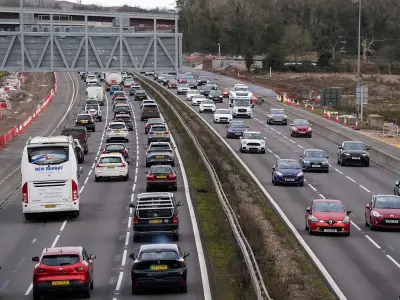
Millions of UK motorists are set for another financial hit as new Vehicle Excise Duty (VED) rates for the 2026/27 tax year have been reportedly leaked. The changes, analysed by motoring expert Pete Barden, would take effect from April 1, 2026, through to April 2027.
Inflation Drives Tax Increase
The anticipated rise is directly linked to the UK's inflation figures. While the Consumer Prices Index (CPI) held steady at 3.8% in September 2025, the government typically uses the higher Retail Prices Index (RPI) to calculate VED increases. Forecasts suggest the RPI was around 4.6% for September.
This means drivers should prepare for their road tax to climb by a similar percentage. "That means drivers should brace for another inflation-linked rise in road tax from April 2026," Barden stated.

What the New VED Bands Mean for You
The financial impact will vary depending on your vehicle's emissions band, but most drivers will feel the pinch.
The standard annual VED rate is expected to rise by £9 to £204 per year. Meanwhile, the first-year rates, which range from £110 to £5,490 based on a new car's CO2 emissions, are also projected to increase by four to five percent.
For owners of expensive cars, the supplement paid for vehicles over £40,000 is likely to jump to £445, up from the current £425.
"For many motorists, this could mean paying £10–£40 more a year," Barden explained. He also warned that this increase compounds other rising motoring expenses, such as fuel, insurance, and servicing, which are collectively outstripping wage growth.
Budget Uncertainty Adds to Financial Pressure
The situation could worsen depending on the outcome of Chancellor Rachel Reeves' upcoming Autumn Budget, scheduled for November 26, 2025. There are suggestions that the long-standing fuel duty freeze could be scrapped, potentially adding significant further costs to filling up a vehicle.
With these combined pressures, the cost of driving in the UK is poised to become substantially more expensive from April 2026.