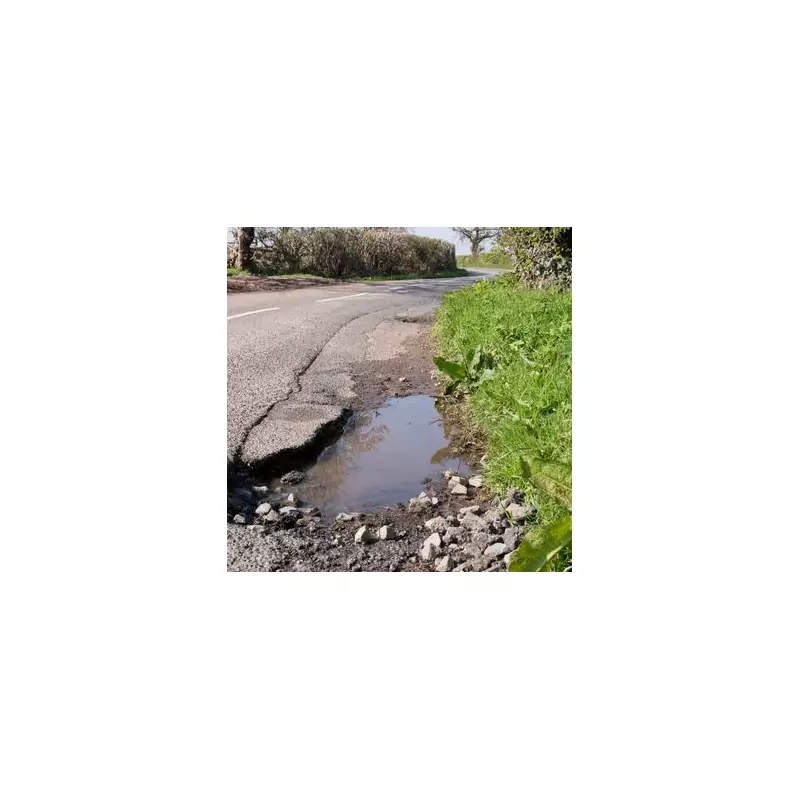
Britain's pothole epidemic is hitting drivers where it hurts most – their wallets. New figures reveal a sharp increase in breakdowns caused by deteriorating road surfaces, leaving thousands of motorists facing repair bills of up to £590.
Breakdowns on the Rise
According to the RAC’s Pothole Index, the number of drivers breaking down due to pothole damage rose by a staggering 25% between July and September this year compared to the same period in 2024.
RAC patrols were called to 5,035 pothole-related breakdowns this summer. These incidents involved serious vehicle damage, including broken suspension springs, distorted wheels, and damaged shock absorbers. This marks a significant jump from the 4,040 callouts recorded during the summer of 2024 and is also higher than the average for the warmer months, which typically sits at 4,372.

The Cost and Danger for Road Users
Simon Williams, the RAC's head of policy, described the confirmation of increased pothole incidents as "troubling." He emphasised the immense challenge of bringing the nation's roads back to a respectable standard after years of neglect.
"Every pothole breakdown means hassle, frustration and ultimately cost for drivers – up to £590 for anything worse than a puncture," Williams stated. He also highlighted the heightened risk for those on two wheels, for whom potholes present a clear and present danger.
A Glimmer of Hope and a Call for Action
Despite the grim statistics, there are signs that the situation might be starting to improve. A small but growing number of drivers report that their local roads are in a better state than they were 12 months ago.
The Government is now applying pressure on councils, requiring every local authority in England to detail their past and planned preventative maintenance work. Williams welcomed this move, something the RAC has long advocated for, hoping that new multi-year funding settlements will give councils the certainty needed to plan effective, long-term road maintenance programmes.
Echoing the need for proactive measures, Mike Hansford, Chief Executive of the Road Surface Treatments Association, urged highway authorities to use cost-effective preventative treatments on roads that are still in good condition. He also advocated for more permanent pothole repairs and the recycling of existing materials when entire road replacements are necessary, practices already used by authorities with some of the best-maintained roads in the country.