British businesses operating vehicle fleets are facing a significant financial squeeze as a major driving rule change introduced in September begins to take its toll. New data reveals a sharp increase in penalties, with experts pointing to expanded enforcement zones and advanced technology as the primary drivers.
The Breakdown of Fleet Penalties
Analysis of fines issued between August and October 2025 paints a clear picture of the challenges facing fleet managers. Private parking fines were the largest category, accounting for 35.5% of all fleet penalties, though this figure is down from 37% during the same period last year.
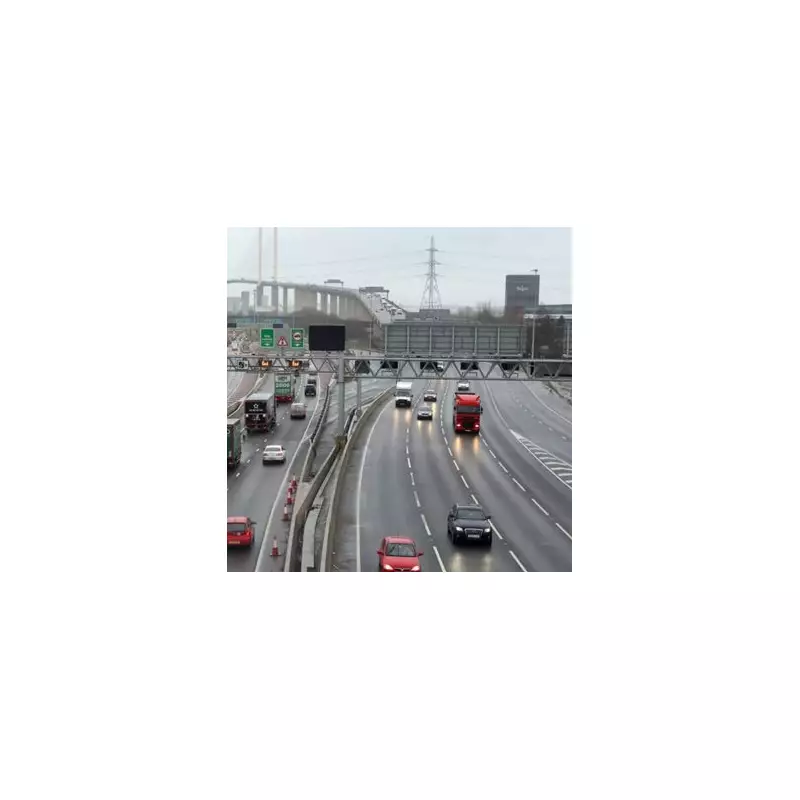
Meanwhile, the Dartford Crossing Charge has emerged as a major pain point, responsible for a staggering 20% of all fleet fines in the UK. Speeding offences are also on the rise, making up 14.5% of all fines compared to 13% in 2024.

Other notable trends include council-issued parking fines, which fell to 8.5% from 12%, and Congestion Charge penalties, which decreased slightly from 5% to 4%.
The Technology and Zone Expansion Behind the Surge
According to Hudson Kapel, a leading authority in the sector, fleet fines have 'surged' this year. This increase is largely attributed to the increased volumes of automatic number plate recognition (ANPR) cameras and the integration of artificial intelligence (AI) technology into enforcement systems.
Furthermore, the ongoing expansion of Clean Air and Low Emission Zones across the UK is intensifying the financial pressure on companies with large vehicle fleets. The cost of non-compliance varies dramatically across the country.
- In London, drivers face a £12.50 daily Ulez charge and a £15 Congestion Charge.
- Birmingham's Clean Air Zone fines start at £8.
- In Scotland, penalties for Low Emission Zone breaches can reach as high as £60.
Operational Impact and Business Response
Simon Withey, Managing Director at Hudson Kapel, highlighted the profound operational impact. "The volume of fines keeps rising, and it’s not just hitting drivers’ wallets," he said. "For companies running big fleets, it’s an operational grind. Every penalty needs to be identified, checked, and assigned to the right driver."
He warned that the administrative burden is a daily challenge to compliance and efficiency, and with more cities planning to roll out new enforcement zones, the problem is set to worsen. "The key for fleet operators is to get ahead of it," Withey advised, "use tech, engage drivers and stop the admin from spiralling out of control."
In response to this growing issue, Hudson Kapel has launched a fine management platform. This system links to 800 authorities, providing fleet managers with real-time visibility of each fine, automating driver notifications and reassignment, and offering trend reporting to help improve driver behaviour proactively.