Massive Queues Form at UK Petrol Stations as Fuel Crisis Deepens
Drivers across the United Kingdom are facing unprecedented delays at petrol stations, with queues of up to 90 cars reported as fears over fuel shortages and price increases escalate. This situation is directly linked to the ongoing conflict in the Middle East, particularly involving Iran and the United States, which is disrupting global oil supplies.
Hour-Long Waits and Widespread Shortages
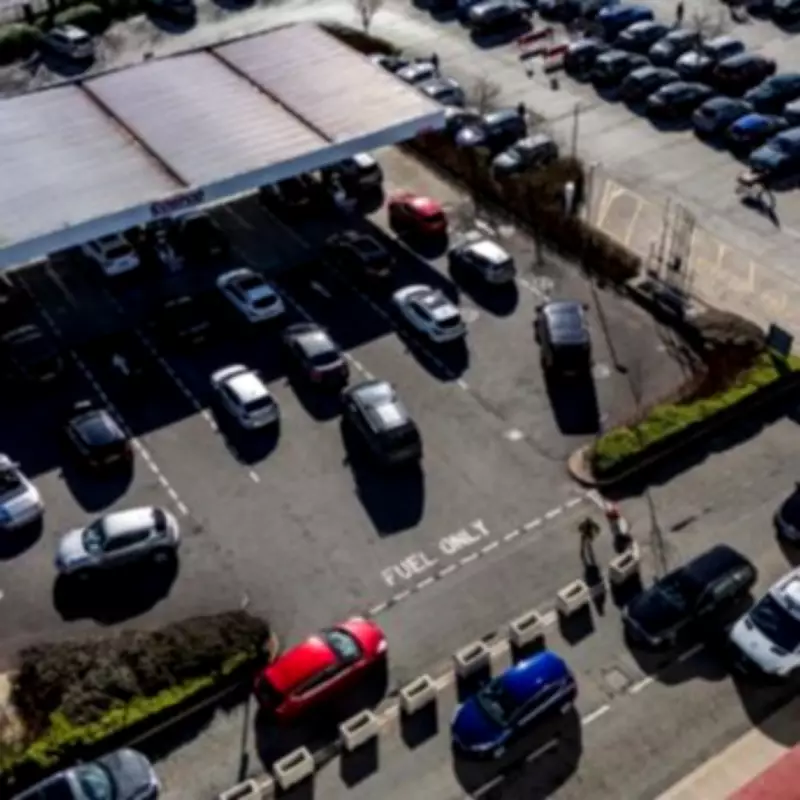
In London, scenes of chaos have emerged, with nearly 100 vehicles lined up outside a single petrol station. In Bushey, north London, motorists have been forced to wait for over an hour just to fill their tanks. The strain on supplies is evident as yellow "sorry we are out" signs are becoming a common sight at stations nationwide, with some outlets in areas like Croydon already running out of unleaded fuel entirely.
Similar reports of heavy congestion have surfaced at Costco branches, notably in Liverpool, indicating that the issue is not isolated to traditional forecourts. The rapid depletion of fuel stocks is causing significant inconvenience and anxiety among drivers who are rushing to secure petrol ahead of anticipated price surges.

Global Oil Market in Turmoil
The root cause of this crisis lies in the Middle East, where tensions have flared dramatically. Iran’s Revolutionary Guards recently announced they launched approximately 40 missiles at US and Israeli targets, marking the fifth day of conflict in the region. This aggression has heightened concerns over the stability of oil exports through critical channels like the Strait of Hormuz.
Ali Vaez, director of the Iran Project, warned that a closure of the Strait of Hormuz could disrupt roughly one-fifth of globally traded oil overnight. He stated, "Prices wouldn’t just spike, they would gap violently upward on fear alone. The shock would reverberate far beyond energy markets, tightening financial conditions, fuelling inflation and pushing fragile economies closer to recession in a matter of weeks."
Implications for UK Households and Economy
The repercussions for the UK are severe, with analysts predicting substantial increases in energy costs. Stifel analysts cautioned on Monday that any sustained rise in wholesale gas prices could push the price cap to nearly £2,500 per year when it is next adjusted in July. Meanwhile, Cornwall Insight noted that prolonged uncertainty around supplies might lead to higher prices extending into next winter, although they added there was "no suggestion of immediate system stress."
In response to the escalating situation, US President Donald Trump indicated on Tuesday that the US navy might begin escorting oil tankers through the Strait of Hormuz if necessary. This move represents one of the administration's most aggressive steps yet to curb soaring energy prices triggered by the war.
As the conflict continues to unfold, UK drivers are left grappling with the immediate effects—long queues, dwindling fuel supplies, and the looming threat of even higher costs at the pump. The situation underscores the fragile nature of global energy markets and their direct impact on everyday life in Britain.