AA Issues Urgent Warning Over Advanced AI Traffic Enforcement Cameras
The Automobile Association (AA) has issued a critical "heads up" alert to drivers across the United Kingdom regarding a new generation of AI-powered traffic enforcement technology. These sophisticated systems are capable of peering directly inside vehicles to detect a range of motoring offenses.
How the AI 4D Radar Vans Operate
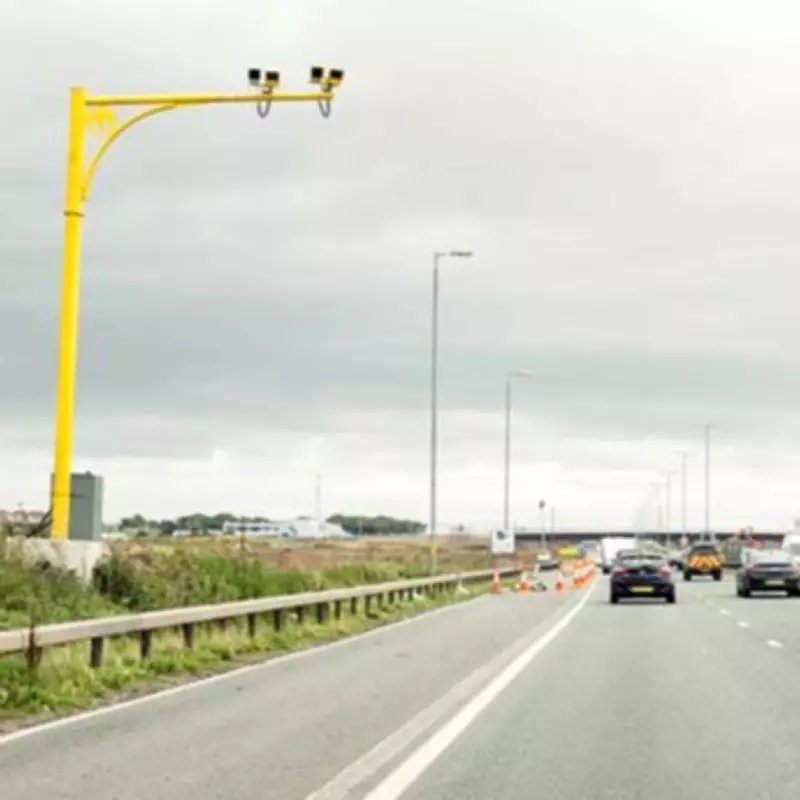
According to a spokesperson for the AA, who detailed the technology via an Instagram post, these 'AI 4D radar traffic enforcement vans' represent a significant leap in monitoring capabilities. Unlike traditional speed cameras, these units utilize artificial intelligence to analyze the interior of passing cars.
The system can identify violations including:

- Illegal mobile phone usage while driving
- Drivers or passengers not wearing seat belts
- Tailgating or following other vehicles too closely
Widespread Deployment and Enforcement Reach
The warning highlights that these enforcement vans are already operational in several key regions across the UK. Confirmed deployment areas include Devon, Greater Manchester, and the West Midlands. The technology boasts an impressive operational range, with the capability to detect offenses from distances of up to one mile away.
The scale of enforcement is already substantial. In Devon alone, since the trial program commenced in 2023, over 10,000 drivers have been issued fines based on evidence gathered by these AI systems.
Technology and Verification Process
The cameras function by capturing detailed images of vehicle interiors. Advanced AI software then performs an initial analysis to flag potential offenses. To ensure accuracy and fairness, this automated analysis is not the final step.
All flagged images undergo a rigorous two-stage human review process before any penalty is confirmed. This dual-layer verification is designed to prevent errors and uphold legal standards.
Broader Safety Objectives and Public Debate
This technological initiative is part of a larger national road safety strategy, which includes an ambitious target to reduce road deaths by fifty percent before the year 2030. Proponents argue that such advanced enforcement is necessary to deter dangerous behaviors and save lives.
However, the introduction of this intrusive surveillance capability has sparked a significant public debate. Many motorists and civil liberties advocates are questioning whether the pursuit of safer roads justifies this level of monitoring, labeling it a potential overreach that could infringe on personal privacy within the private space of a vehicle.
The AA's warning serves to make drivers acutely aware of this new reality on UK roads, prompting a nationwide conversation about the balance between safety, enforcement, and personal freedom.