Drivers Warned: Common Car Button Increases Fuel Use by 20%
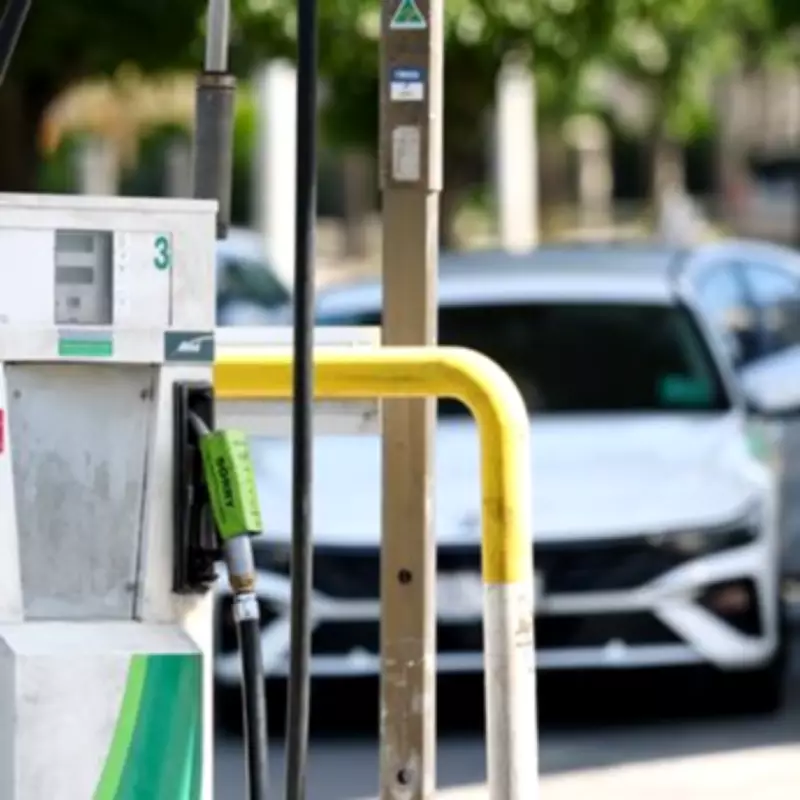
Motorists across the United Kingdom are facing unprecedented fuel costs, with petrol and diesel prices soaring to multi-year highs. According to the latest available data, petrol has reached an average of 148.78 pence per litre, marking the highest price point since May 2024. This represents a significant increase of over 12 percent since the beginning of the conflict in the Middle East just one month ago.
Some drivers have reported encountering prices exceeding £2 per litre at certain fuel stations. Diesel prices have also surged dramatically, now averaging 176.52 pence per litre across the UK, which is the highest level recorded since December 2022. These escalating costs make fuel efficiency more critical than ever for household budgets.
The Hidden Fuel Drain in Your Vehicle
Experts are now highlighting a common driving habit that can substantially increase fuel consumption during warmer weather. As temperatures rise, drivers naturally seek comfort through climate control systems, but both air conditioning and open windows come with significant efficiency trade-offs.

Chris Evans, head of content at Leasing.com, explained the delicate balance between comfort and economy. "Using your vehicle's air conditioning system can increase fuel consumption by as much as 10 percent," Evans stated. "However, opening your windows at higher speeds can be even more detrimental, potentially increasing fuel usage by up to 20 percent."
The 45 MPH Rule for Optimal Efficiency
Motoring specialists have identified a crucial speed threshold that determines which cooling method proves most economical. "The 45 mph figure serves as a reliable guide," Evans noted. "Below this speed, opening windows generally causes less drag than operating the air conditioning system. Above 45 mph, the aerodynamic disruption from open windows forces your vehicle to work considerably harder, making air conditioning the more fuel-efficient choice despite its energy demands."
This distinction becomes particularly important as drivers attempt to maximize every litre of fuel during this period of elevated prices. "While these considerations might appear minor," Evans emphasized, "making the wrong choice can have a notable impact on your overall fuel economy and monthly expenses."
Navigating Traffic and Extreme Heat
The guidance becomes more nuanced in heavy traffic conditions. "During bumper-to-bumper traffic situations," Evans advised, "it is probably best to avoid using air conditioning or opening windows entirely to conserve fuel. However, we recognize that in hot conditions this approach might prove uncomfortable for drivers and passengers."
For those facing extreme heat in congested traffic, Evans suggested an alternative approach: "As a practical solution, you could activate the air conditioning system but close your air vents. This configuration allows the air conditioning to recycle the existing cabin air rather than drawing in external air contaminated by exhaust fumes from surrounding vehicles."
This recycling method provides some cooling relief while minimizing the energy expenditure typically associated with cooling hot outside air during peak traffic periods.
Broader Implications for Motorists
The current fuel price crisis has intensified focus on driving efficiency across the nation. With petrol reaching its highest price in nearly two years and diesel at a three-and-a-half-year peak, even marginal improvements in fuel economy can translate to substantial financial savings for regular drivers.
Vehicle aerodynamics play a crucial role in fuel efficiency that many motorists overlook. Open windows create turbulence and drag that forces engines to work harder, especially at motorway speeds. Meanwhile, air conditioning systems place direct mechanical load on engines through compressor operation.
As summer approaches and temperatures continue to rise, understanding these dynamics becomes increasingly important for cost-conscious drivers seeking to balance comfort with economy during their daily commutes and longer journeys.