UK Drivers Urged to Rethink Travel as Iran Conflict Sparks Fuel Price Surge
Motorists across the United Kingdom are being advised to reconsider non-essential journeys and adopt more economical driving habits as escalating conflict in the Middle East drives global oil prices above $100 a barrel for the first time since 2022.
Sharp Rise in Fuel Costs at Forecourts
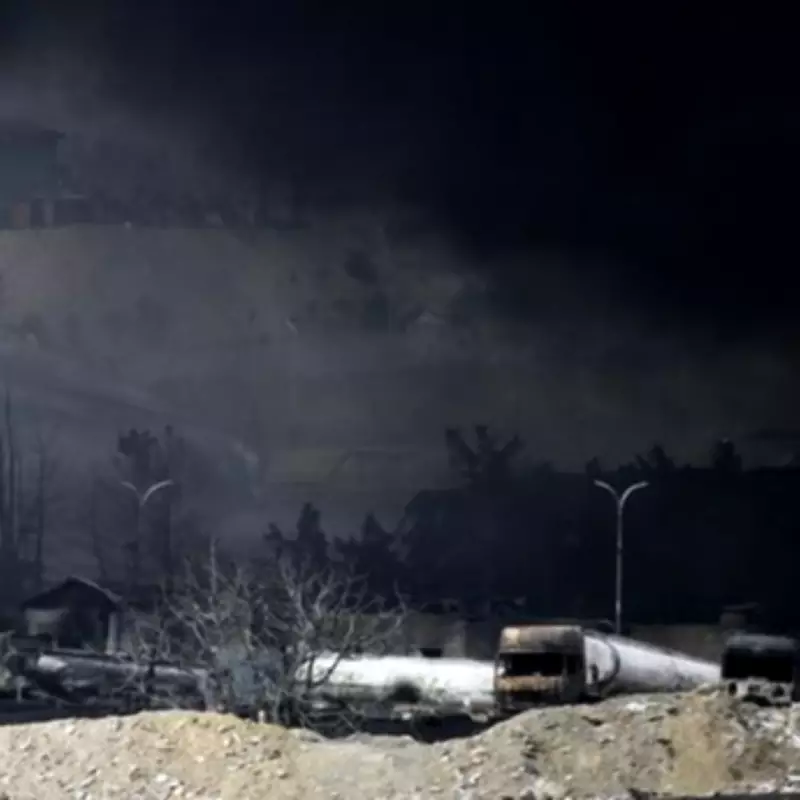
Since the outbreak of hostilities on February 28, average petrol prices at UK forecourts have increased by 5p to 137.5p per litre, while diesel has risen by a more significant 9p to 151.0p per litre. This surge is directly linked to the spiraling cost of crude oil, which has breached the $100 per barrel threshold amid ongoing strikes and attacks targeting oil infrastructure in Iran, including the Shehran oil depot in Tehran.
Expert Analysis and Warnings
Edmund King, president of the AA, highlighted the growing concern: "The longer this conflict goes on, the more effect it will have on the cost of oil. Any time Brent Crude passes 100 dollars per barrel raises concern across the markets, for the haulage industry and drivers."

He cautioned that while pump prices will see gradual increases, they should not spike overnight as fuel has been purchased at previous prices. King's primary recommendation is for drivers to maintain their refuelling habits but to consider eliminating some non-essential trips and adjusting their driving style to conserve fuel.
Analysis from the Energy and Climate Intelligence Unit provides a stark forecast. When oil trades around $100 a barrel, petrol prices typically settle near 150p per litre. Should crude prices climb to $120 a barrel, the think tank estimates pump prices could reach approximately 170p per litre.
Further Predictions from Industry Leaders
Simon Williams, head of policy at the RAC, echoed the bleak outlook: "Average petrol and diesel prices have rocketed in the last week and are unfortunately likely to keep on rising, so the situation for UK drivers is looking increasingly bleak."
He predicted that unleaded petrol is almost certain to reach an average of 140p per litre in the coming week, while diesel looks highly likely to climb to at least 160p per litre. Williams encouraged drivers to continue filling up as normal but to actively shop around for the best available prices to mitigate the financial impact.
Practical Advice for Motorists
In response to the crisis, driving experts are urging UK motorists to implement several key changes:
- Reduce Non-Essential Travel: Carefully evaluate and cut out journeys that are not absolutely necessary.
- Adopt Economical Driving Techniques: This includes smoother acceleration, maintaining steady speeds, and reducing idling time.
- Shop Around for Fuel: Use price comparison tools and apps to find the most affordable forecourts in your area.
- Plan Routes Efficiently: Combine errands into single trips to minimize total distance travelled.
The ongoing conflict, marked by continued strikes from both sides, shows no immediate signs of de-escalation, suggesting that fuel price volatility and associated advice for drivers will remain a pressing issue in the weeks ahead.