The European Union has formally approved a comprehensive set of new driving licence regulations, a move designed to drastically improve road safety and work towards the ambitious goal of eliminating all road fatalities and serious injuries by 2050.
Key Changes to Driving Licence Training and Validity
Under the shake-up, significant changes are being introduced for new drivers. People training for their first driving licence will now be required to demonstrate knowledge on several critical modern safety topics. These include understanding vehicle blind spots, the function of driver-assistance systems, the importance of door safety to protect cyclists, and the severe risks associated with using a phone at the wheel.
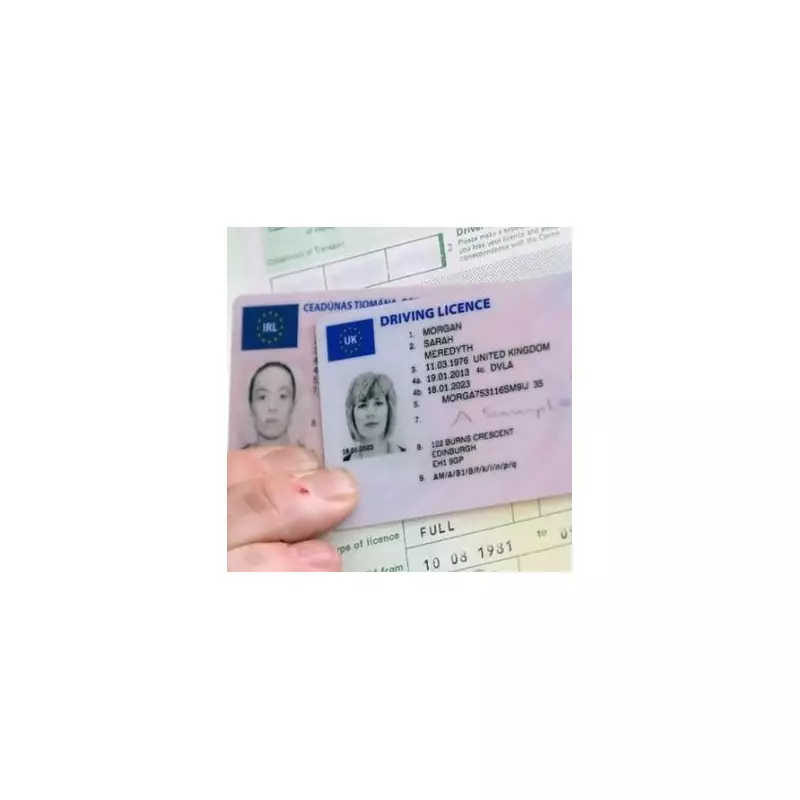
The validity periods for driving licences have also been standardised. Licences for motorcycles and cars will be valid for 15 years, while those for trucks and buses will need renewal every five years.

The Introduction of a Digital Driving Licence
A cornerstone of the new directive is the introduction of a fully digital driving licence. This will be accessible via a mobile phone and is set to gradually become the primary format for licences across the bloc. The move has been welcomed in the UK, with Labour Party Transport Secretary Heidi Alexander recently describing the launch of a digital driving licence as a 'game changer for millions of people'.
Commenting on the development, German European Parliament rapporteur Jutta Paulus stated: 'By 2030, the new European Driving Licence Directive will introduce a digital driving licence, while giving citizens full freedom of choice between an app and a physical card.'
Strengthened Cross-Border Penalty Enforcement
To tackle reckless driving by motorists abroad, the EU is closing a significant enforcement gap. The new rules ensure that the withdrawal, suspension, or restriction of a driving licence in one EU country will be communicated to the member state that issued it.
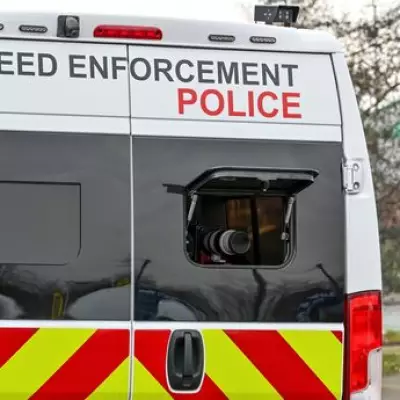
National authorities will be obligated to inform each other without undue delay about driving disqualifications related to the most severe traffic offences. This includes drink or drug driving, involvement in a fatal traffic incident, or excessive speeding, such as driving 50 km/h over the limit.
Italian Social Democrat Matteo Ricci emphasised the importance of this step: 'Today is an important step forward in improving road safety. By introducing clearer and more timely criteria for suspending driving privileges in cases of serious violations, it helps protect not only responsible drivers but the entire community. A stronger, more effective system of monitoring and enforcement will help prevent accidents and save lives.'