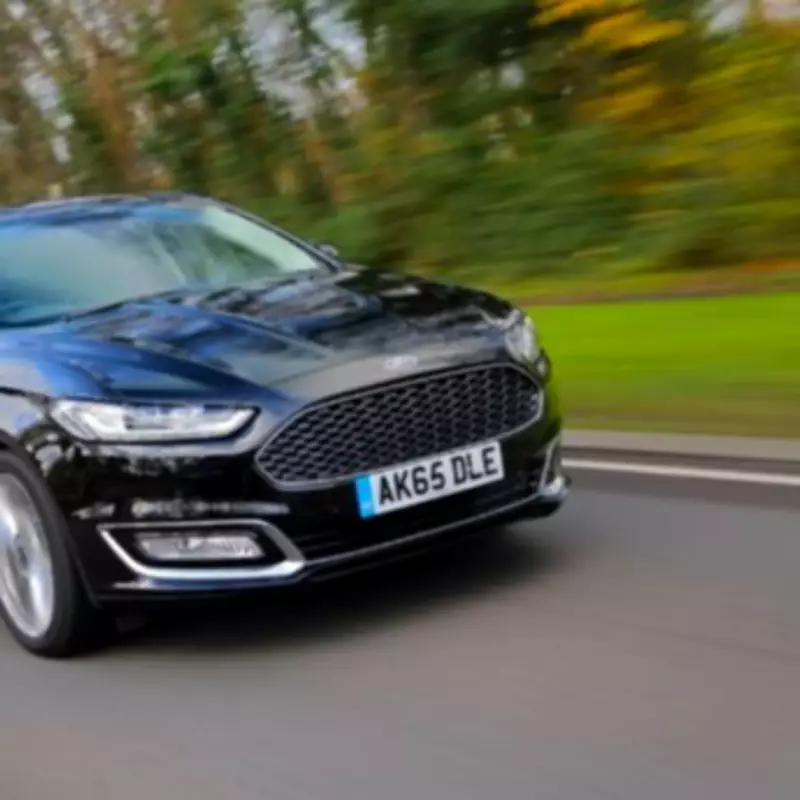
Popular Car Models to Face Steep £790 Tax Increase from 2026
Several well-known car models, including the Ford Mondeo, VW Golf, and Saab 9-5, are set to be hit with substantial Vehicle Excise Duty (VED) increases starting in April 2026. The tax rates for these vehicles could reach as high as £790 annually, representing a significant financial burden for owners.
Tax Bands Set to Escalate for High-Emission Vehicles
Under the current system, vehicles emitting more than 225g of CO2 per kilometre are subject to VED charges. The specific rates are structured as follows: cars producing 201-225g/km face £430, those emitting 226-255g/km incur £735, and vehicles exceeding 255g/km are charged £750. However, these amounts are scheduled to increase, with the £735 rate rising to £760 and the £750 rate climbing to £790 from April 2026.
Financial Impact on Older Car Owners
For many older vehicles that now have minimal market value—often under £1,500—the annual tax bill could account for 25-50% of the car's total worth. This disproportionate cost is forcing drivers to reconsider keeping their older vehicles on the road, even when they remain mechanically sound.

Environmental experts Mike Berners-Lee and Duncan Clark have emphasized the ecological benefits of maintaining older vehicles. They note that extending a car's lifespan from 100,000 to 200,000 miles can reduce emissions per mile by up to 50%, as it spreads the initial manufacturing emissions over more distance.
Growing Petition Calls for Tax Relief on Older Vehicles
A petition on the UK Parliament website has garnered nearly 50,000 signatures, urging the government to implement a 50% VED reduction for vehicles aged between 20 and 39 years. Supporters argue that current tax rates encourage a "disposable" car culture by forcing functional vehicles to be scrapped prematurely.
The petition states: "Introduce a 50% VED reduction for cars aged 20–39. High taxes force functional vehicles to be scrapped, creating a 'disposable' culture. Keeping existing cars is greener than building new ones, as it preserves embedded carbon. This 'Young-Timer' bracket supports the circular economy and UK heritage."
Environmental Arguments for Preserving Older Cars
Advocates for the tax reduction emphasize that manufacturing new vehicles creates substantial carbon debt, making it more environmentally responsible to maintain and repair older models. They contend that keeping a well-maintained 20-year-old car on the road is often greener than producing a new vehicle, as it conserves the embedded carbon already expended during manufacturing.
The proposed "Transition to Historic" tax discount aims to encourage vehicle repair, support the UK heritage industry, and reflect the typically lower mileage of modern classic cars. This approach aligns with broader efforts to transition from a disposable consumer culture to a more sustainable circular economy.