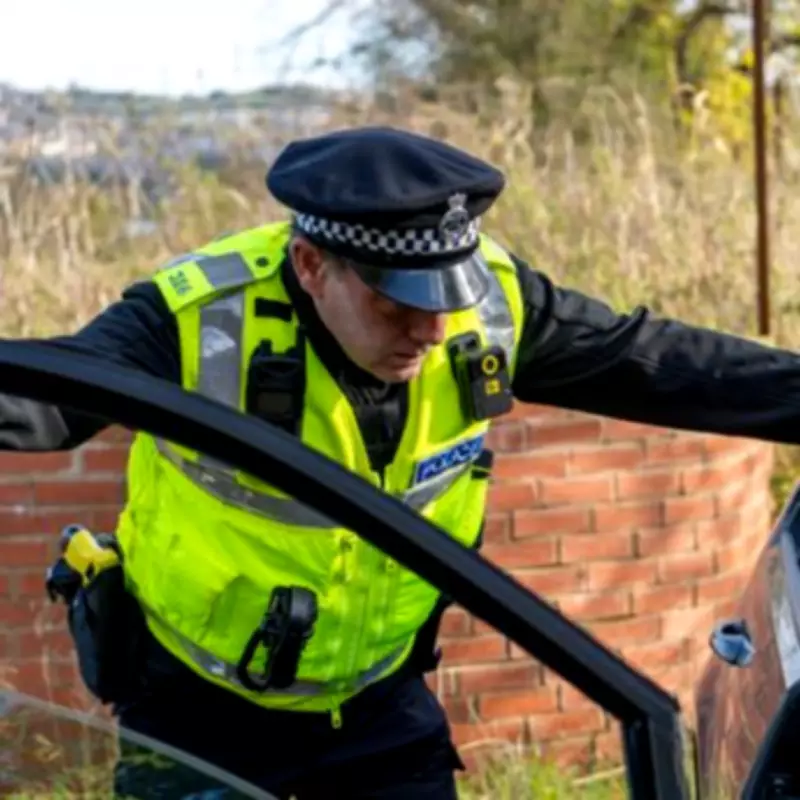
Drivers could face fines of up to £5,600 this May bank holiday weekend as millions take to the road for the hottest late May bank holiday in years. Motorists with day trips and other journeys planned are being warned about the fines they may unknowingly put themselves at risk of.
Almost 19 million Brits are set to hit the road over the bank holiday weekend as hot weather approaches, an increase of one million compared to the late May bank holiday last year. Experts have warned of the surprising but common driving habits during busy holiday traffic that could land motorists with penalty points, hefty fines, or even jail time.
To help drivers stay safe on the road, Keith Hawes, Director of Nationwide Vehicle Contracts, has shared five lesser-known reasons drivers may be breaking the highway code this bank holiday and the fines they could face.

Hawes said: "As millions of drivers head out over the long weekend, it's important to remember that the roads will be busier and enforcement is often stepped up. Simple oversights can lead to costly penalties, such as driving with unrestrained pets, overloading the vehicle, and driving while tired. Our advice is simple: plan, secure everything properly, take regular breaks, and keep your focus on the road. A bit of preparation can help ensure a smooth and safe journey."
Overloading a Car: Up to £300 Fine
Exceeding your car's recommended load capacity can make the vehicle more difficult to control and increase fuel consumption. It can also place strain on the tyres and suspension, potentially increasing the likelihood of an accident. Rule 98 of the Highway Code states that drivers must not overload their vehicles. Failing to comply with the manufacturer's limits could result in a fine of up to £300 and three penalty points, and in more serious situations—such as if an accident occurs—it may even invalidate your insurance.
Pet Passengers: Up to £5,000 Fine
Pet owners are being warned that leaving a pet unsecured could result in a fine of up to £5,000. Rule 57 of the Highway Code requires pets to be safely restrained so they cannot distract the driver or injure themselves or others during an emergency stop. The government website provides guidance on suitable restraining methods, including seat belt harnesses, pet carriers, dog cages, and dog guards. The best type of restraint varies depending on the pet, so owners should test a few options to ensure their pet is happy, comfortable, and secure for long journeys.
Unsecured Sat-Nav or Phone: Up to £200 Fine
Travelling to new places and using your sat-nav or phone navigation to guide you is common, but it's important to ensure the devices are securely mounted. You must use a secure holder and ensure the device doesn't block the view of the road. Rule 149 of the Highway Code makes it illegal to hold or use any handheld device (phone, sat-nav, tablet) while driving or in traffic. If you're caught holding or using a device, you will receive a £200 fine and six penalty points.
Eating or Drinking While Driving: Up to £100
While eating and drinking behind the wheel isn't illegal, it can easily distract drivers and reduce their control of the vehicle. Taking a hand off the wheel or diverting attention, even briefly, increases the risk of accidents, particularly during busy travel periods like bank holidays. The Highway Code (Rule 148) states that drivers should avoid distractions to maintain concentration. This can include other things, such as trying to read maps and starting or adjusting music or the radio.
Driving While Tired: Unlimited Fine
Heat can make you tired. The primary reason is that your body has to work significantly harder to regulate its internal temperature. Driving while severely fatigued is considered dangerous and carries significant risks. Driver tiredness is estimated to contribute to 10–20% of all road collisions. According to rule 91 in the Highway Code, you must "not begin a journey if you are tired" and should ensure you get "sufficient sleep before embarking on a long journey". Those convicted of dangerous driving can face an unlimited fine, a driving ban, and, in the most serious cases, up to 14 years in prison.