Motorists across the UK are being issued a critical safety reminder to ensure they have a dedicated pair of sunglasses in their vehicles from Friday, 2nd January 2026. The warning comes as forecasters predict a mix of bitterly cold, potentially snowy conditions and clear skies, which can create severe glare from the low winter sun.
The Hidden Danger of Winter Sun
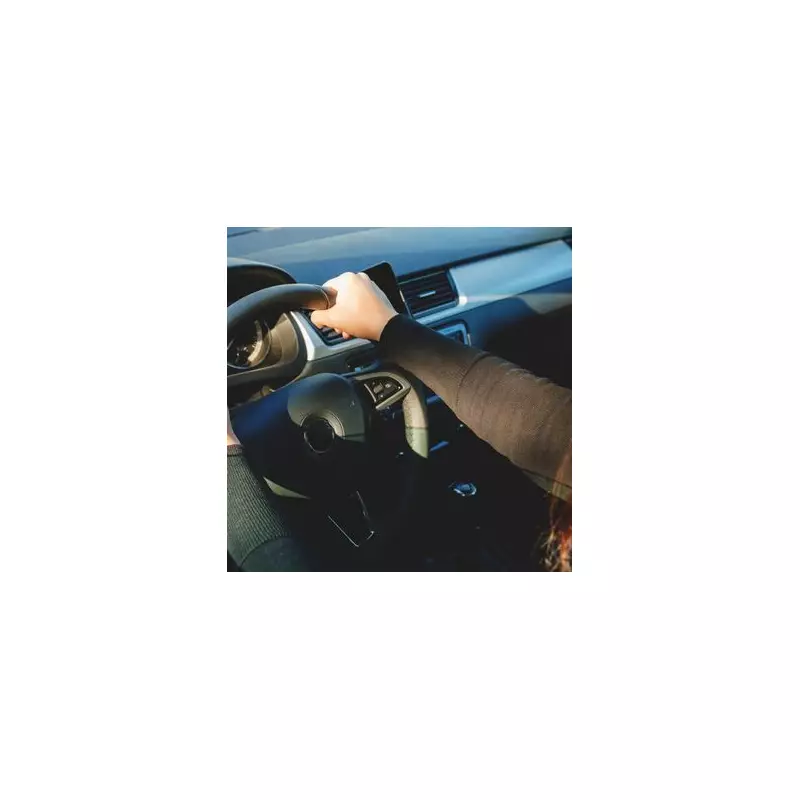
While many associate sunglasses solely with summer, they are arguably just as vital during the winter months. The combination of clear spells and wet or icy road surfaces can cause intense glare, which can dazzle drivers and cause them to lose focus. This is particularly hazardous for those on early morning commutes or travelling home in the late afternoon when the sun is low in the sky.
Keeping a pair of shades permanently in your car means you are never caught unprepared by sudden changes in weather conditions, even if you forget them in the morning rush. Experts stress that this simple precaution is a completely preventable measure against a significant driving hazard.

Legal and Safety Implications of Glare
A spokesperson for the motoring firm Vertu highlighted the serious legal consequences of driving with impaired vision. They pointed to the UK driving standard which requires all motorists to be able to read a vehicle licence plate from a distance of 20 metres.
"Glare from the sun can make it harder to spot road signs, traffic signals, and other vehicles," the spokesperson explained. "This means that driving without proper eye protection isn’t just dangerous, but it could cost you three points on your licence and a fine of up to £1,000 if it is found that your vision has impacted a crash."
Essential Advice for All Drivers
The key recommendation from safety experts is clear: do not rely on remembering to bring your everyday sunglasses from home. Instead, invest in a dedicated pair that lives permanently in your glove compartment or centre console.
This proactive step ensures you are always equipped to handle the challenging conditions posed by low winter sunshine, safeguarding not only your own safety but that of other road users. As the weather turns colder and the sun sits lower in the sky, this often-overlooked item becomes a non-negotiable part of your in-car safety kit.