UK Fuel Prices Surge Past £100 Per Tank Amid Middle East Conflict
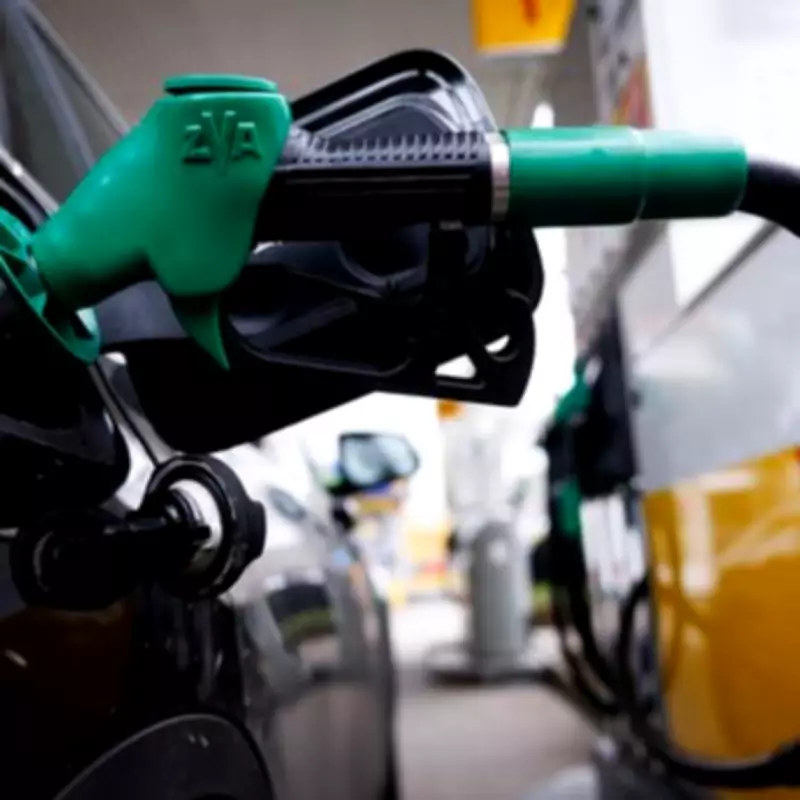
The cost of filling a typical family car in the UK has now exceeded £100, as petrol and diesel prices continue to skyrocket due to the ongoing war in the Middle East. New data from the RAC reveals that average diesel prices at UK forecourts reached 182.8p per litre on Tuesday, marking a significant increase of 40p since the conflict began on February 28.
This sharp rise means that the total cost to fill a standard 55-litre family car has now reached £100.52, the highest level seen since December 2022. The situation is not limited to the UK, as in the United States, average petrol prices have jumped by a third, from $3 to $4 per gallon. These rising costs at the pump could potentially put pressure on US President Donald Trump ahead of the mid-term elections scheduled for November.
Escalating Tensions and Expert Predictions
The war in the Middle East shows no signs of abating, with President Trump issuing new threats to "obliterate" Iran's power plants and oil wells if a deal is not reached "shortly." However, Iran's foreign ministry has denied any ongoing negotiations with the US to end the conflict.

Speaking to Newspage, Samuel Mather-Holgate, Managing Director and IFA at Swindon-based Mather and Murray Financial, provided a stark warning. He expects to see fuel prices reach £2 per litre in a matter of weeks if the conflict with Iran escalates further.
Mather-Holgate stated: "The war in Iran continues to affect the UK consumer, as petrol prices keep going higher. Average prices will hit £2 a litre by May if there is further escalation in the region, which is a real possibility given the track record of Trump."
Potential for Price Retreat
Despite the grim outlook, Mather-Holgate also highlighted a potential scenario for relief. He added that if Donald Trump declares victory and withdraws from the region, the price of oil could retreat, potentially bringing petrol prices back to normal levels by the summer.
This development underscores the broader impact of geopolitical tensions on everyday costs, adding to the financial strain on households already grappling with the ongoing cost of living crisis. Consumers are advised to stay informed about fuel price trends and explore money-saving strategies to mitigate these rising expenses.