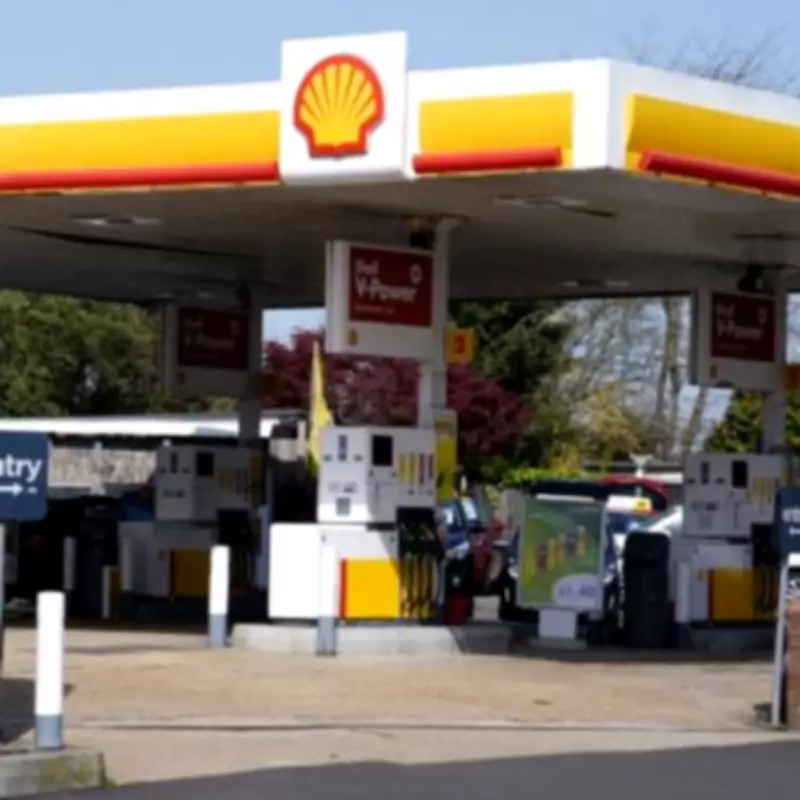
UK Petrol Stations Confront Alarming Surge in No Means of Payment Incidents
Petrol stations across the United Kingdom are experiencing a significant escalation in No Means of Payment (NMoP) incidents, with industry experts warning that this trend represents a serious criminal matter. According to recent data, motorists claiming to have no means to pay for fuel has become the predominant challenge for forecourt operators, now constituting approximately two-thirds of all reported fuel crime cases nationwide.
From Civil Dispute to Criminal Fraud
Michelle Henchoz, director of surveillance firm Forecourt Eye, highlighted the legal distinction in how these cases are handled. "NMoP incidents are typically treated as civil matters by courts, whereas driving off without payment is classified as a criminal offence," Henchoz explained. However, she emphasized that repeated offenses cross into fraudulent territory. "When you encounter a repeat offender who persistently engages in this behavior, it transforms into fraud, thereby becoming a criminal matter," she stated, noting that some offenders mistakenly believe police will not pursue such cases.
Economic Pressures Fueling the Crisis
Barrie Wilson, strategic relationship manager at FleetCheck, pointed to recent dramatic fuel price increases as a potential catalyst for the rise in both NMoP and drive-off incidents. "These situations demand distinct solutions, but we can anticipate both types of incidents potentially increasing following the substantial price hikes observed recently," Wilson commented. He specifically warned about the risk of employees either purchasing additional fuel improperly or siphoning it from company vehicles.

To combat internal fuel theft, Wilson recommended rigorous monitoring practices. "Accurate recording and assessment of distances covered and miles per gallon are essential—this can be efficiently managed using fleet software. Any sudden decline in fuel economy should raise immediate suspicion," he advised.
Statistical Evidence of Growing Problem
Research conducted by Forecourt Eye reveals that petrol stations nationwide are reporting a marked increase in NMoP cases. Since the Covid-19 pandemic, these incidents have grown steadily, eventually surpassing drive-off occurrences to become the larger proportion of unpaid fuel incidents. Currently, NMoP represents about 66% of all unpaid fuel incident reports, indicating a significant shift in forecourt crime patterns.
Public Outrage and Political Criticism
The issue has sparked considerable public anger, with many motorists expressing frustration on social media platforms. One individual wrote, "I genuinely cannot comprehend the mindset of these ministers. They deserve to face severe consequences. They represent the absolute lowest level of humanity." Another commenter accused governments of long-term financial exploitation, stating, "The cost of fuel constituted theft by this and previous governments long before the latest crisis, as they have been draining our pockets for years!"
Further criticism targeted political leaders, with one social media user remarking, "Meanwhile, certain officials appear to mock motorists, while other European nations reduce VAT rates. Some politicians seemingly disregard taxpayers while claiming to address cost-of-living concerns." Another expressed disillusionment, stating, "And here I was thinking the only thieves in this country were the current government."
The combination of economic pressures, legal ambiguities, and public discontent has created a perfect storm for UK forecourt operators, who now face the dual challenge of preventing fuel crime while navigating complex enforcement landscapes.