London Underground Fares Rise by 5.8% from March 2026
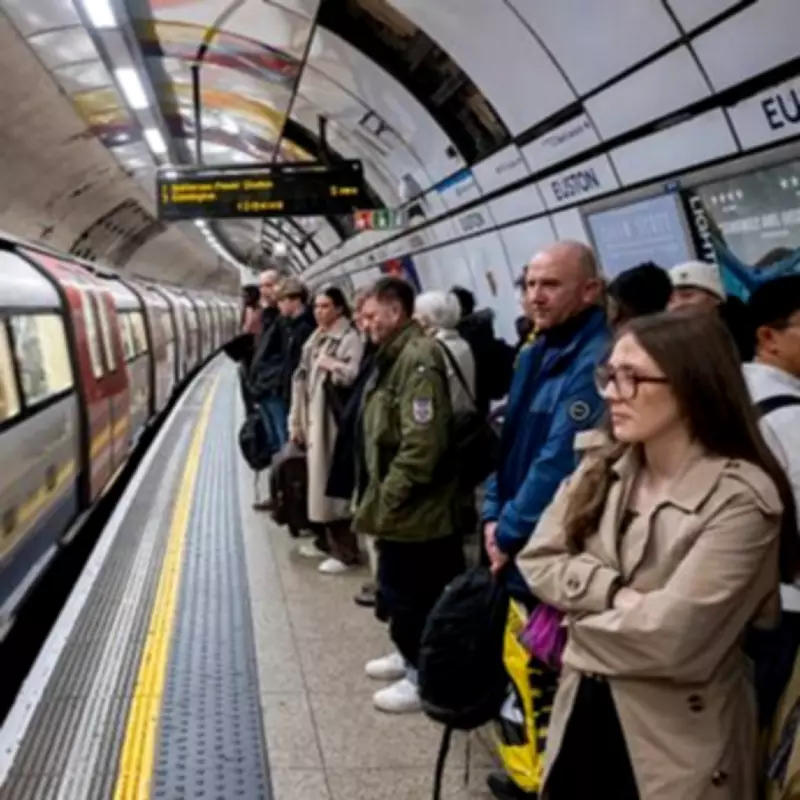
Millions of passengers using the London Underground, Overground, Docklands Light Railway (DLR), and the Elizabeth line will see a significant fare increase starting March 1, 2026. Transport for London (TfL) has confirmed that fares will rise by 5.8%, marking a notable change for commuters across the capital.
Mayor's Emergency Cost-of-Living Measures
In response to the ongoing cost-of-living crisis, Labour Party Mayor Sir Sadiq Khan has implemented several measures to mitigate the impact on Londoners. He announced that the price of Travelcards and pay-as-you-go caps will remain frozen until 2027. Additionally, bus and tram fares have been frozen until July 5, 2026, as part of an emergency initiative to support residents, particularly those on lower incomes.
Alex Williams, chief customer and strategy officer at TfL, stated, "As an emergency cost-of-living measure, the mayor has decided to use City Hall budgets to help Londoners by freezing bus and tram fares until 5 July 2026." Sir Sadiq highlighted that this is the seventh time such freezes have been enacted, aiming to provide relief during challenging economic times.

Mixed Reactions from Advocacy Groups
London TravelWatch, a passenger advocacy group, described the fare rises as a "bittersweet pill for Londoners," noting that many continue to face high living costs and some of the most expensive public transport fares in Europe. A spokesperson added, "There are some crumbs of comfort, such as the temporary respite for bus and tram users and the freeze in weekly and daily caps and Travelcard prices – as well as the promise of improved services." They emphasized that TfL must demonstrate value for money to the traveling public.
Detailed Fare Changes Effective March 1, 2026
The fare adjustments apply across various zones, with increases ranging from 10p to 20p per journey. Below is a breakdown of the new ticket prices:
- Zone 1 only: Peak: £3.10 (up 20p), Off-peak: £3 (up 20p)
- Zones 1–2: Peak: £3.60 (up 10p), Off-peak: £3.10 (up 20p)
- Zones 1–3: Peak: £3.90 (up 10p), Off-peak: £3.30 (up 20p)
- Zones 1–4: Peak: £4.80 (up 20p), Off-peak: £3.60 (up 20p)
- Zones 1–5: Peak: £5.30 (up 10p), Off-peak: £3.80 (up 20p)
- Zones 1–6: Peak: £5.90 (up 10p), Off-peak: £4 (up 20p)
- One zone outside Zone 1: Peak: £2.30 (up 20p), Off-peak: £2.20 (up 20p)
- Two zones outside Zone 1: Peak: £2.50 (up 20p), Off-peak: £2.30 (up 20p)
- Three zones outside Zone 1: Peak: £3.20 (up 20p), Off-peak: £2.40 (up 20p)
- Four zones outside Zone 1: Peak: £3.40 (up 20p), Off-peak: £2.50 (up 20p)
- Zones 2–6: Peak: £3.80 (up 20p), Off-peak: £2.60 (up 20p)
Background and Funding Agreement
These fare changes are part of TfL's funding agreement with the UK Government, aimed at ensuring the sustainability of London's public transport network. The adjustments reflect broader economic pressures and the need to balance service improvements with financial viability.