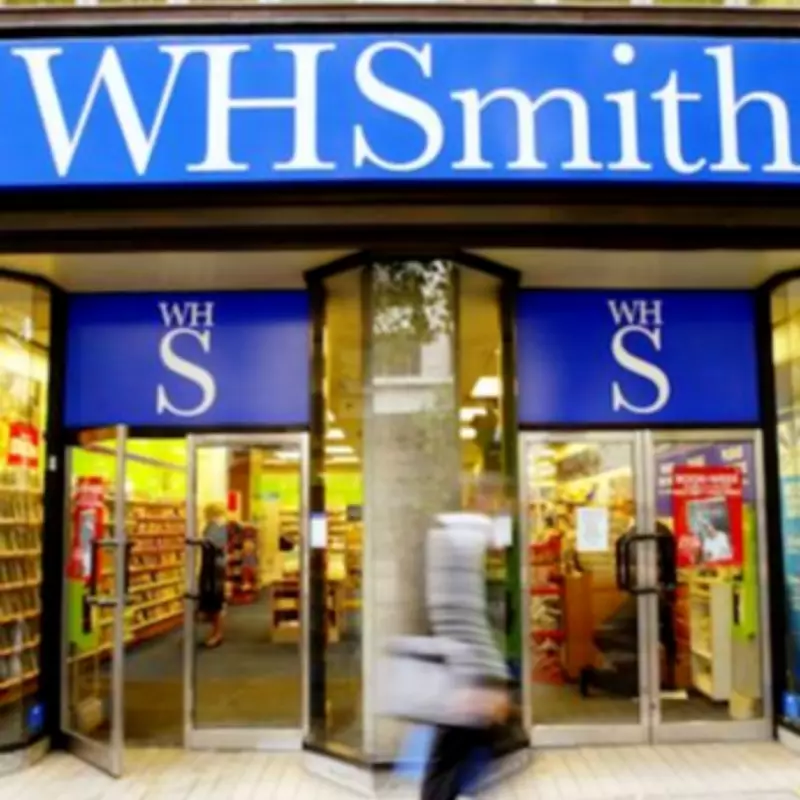
WH Smith Reports Significant Loss Amid Middle East Turmoil
WH Smith has posted a pre-tax loss of £25 million for the six months ending in February, a stark decline from the £4 million loss recorded in the same period the previous year. This financial downturn comes as the retailer adopts a more cautious outlook due to the ongoing Iran conflict, which is severely impacting international tourism and airport travel.
Revenue Growth Stagnates in the UK
Despite a marginal revenue increase of two per cent to £748 million, WH Smith has experienced stagnant growth in the UK market. The company attributes this softening to reduced air travel triggered by Middle East tensions. The conflict has led to airlines suspending flights and facing potential operational halts due to aviation fuel shortages, directly affecting passenger numbers at airports where WH Smith now primarily operates.
Business Model Transformation and Challenges
Last year, WH Smith underwent a dramatic transformation by selling its 480 high street shops to Modella Capital for £76 million. The retailer now focuses solely on outlets in airports, railway stations, and hospitals. However, this shift has left it vulnerable to fluctuations in travel demand. The FTSE 250 company stated, "In light of the uncertainty arising from the conflict in the Middle East, the Group is taking a more cautious outlook reflecting the impact on passenger numbers and weaker consumer confidence."

Jet Fuel Shortage Concerns and Industry Response
The Iran conflict has sparked fears of a jet fuel shortage, prompting major UK airlines to urge the government to reduce taxation and regulation to better handle the looming crisis. WH Smith noted that its full-year profit before tax and underlying items is expected to fall between £90 million and £105 million, down from last year's £108 million, assuming jet fuel supplies can be maintained.
Mixed Performance Across Markets
While the UK market struggles, WH Smith has seen revenue expansion in North America and other international regions. The company remains optimistic about its new flagship outlets at Heathrow Airport, highlighting them as a potential growth driver. However, the retailer is still in recovery mode following an accounting error last year that inflated profits by approximately £30 million and led to the departure of chief executive Carl Cowling.
Future Outlook and Summer Trading Period
WH Smith's recovery and financial performance heavily depend on the peak summer trading period. The group assumes no immediate improvement in consumer confidence, emphasizing the critical nature of the coming months. Additionally, Modella Capital, which acquired the former high street shops, has brought in crisis advisers as about 80 sites face difficulties under the rebranded TG Jones name.