The proportion of businesses planning to increase investment has fallen to its lowest level since lockdown as bosses fear rising costs, according to a new survey from the British Chambers of Commerce (BCC). Just 17% of respondents said they planned to increase investment in plant, machinery or equipment over the next three months, down from 21% in the previous quarter. Meanwhile, 26% said they planned to cut back on investment.
Confidence Drops Amid Rising Costs
Confidence also fell sharply, with only 44% of those polled expecting improved turnover in the next 12 months – down from 49% in the first quarter – and 23% expecting turnover to decline. Just 29% reported rising sales in the previous three months, with a similar number seeing falling sales.
Two thirds of those polled said they were worried about inflation, up from 50% in Q1. The biggest worry was labour costs, particularly among engineering and construction firms, while more businesses were also concerned about fuel costs following the Iran war.

Retail and Hospitality Hardest Hit
The hardest hit sectors were retail and hospitality, with just 31% of hospitality firms and 36% of retailers expecting increased turnover. One Merseyside firm said Q2 "has been the hardest quarter for us since the financial crash of 2008," citing the impact of the Iran war on business confidence and customer investment decisions.
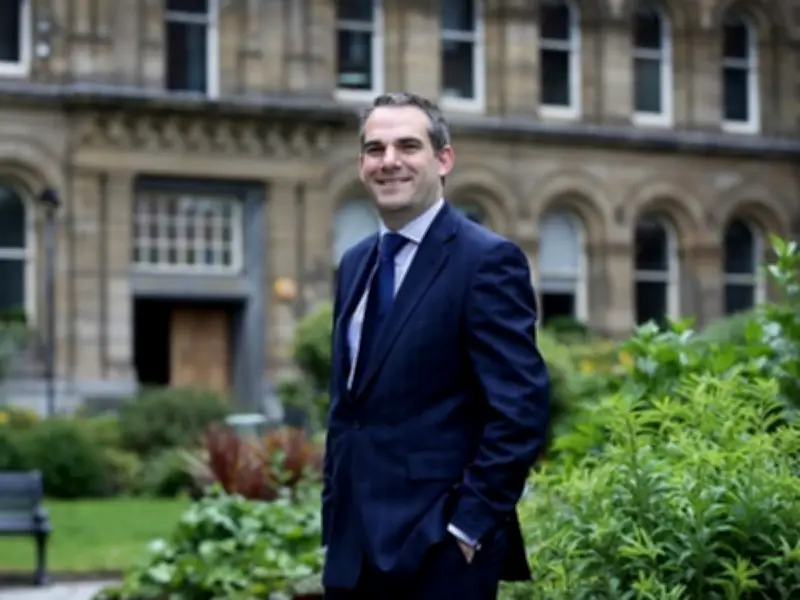
Paul Cherpeau, chief executive of Liverpool Chamber of Commerce, said: “The cost of doing business remains high and sales growth is slow, and this is understandably having a negative impact on the confidence and investment intentions of many firms here in the Liverpool City Region.
“Not for the first time, we see retail and hospitality – two crucial sectors in our local economy – bearing the greatest brunt of those headwinds, while we know from our conversations with members in construction and engineering that they are especially feeling the burden of higher labour costs, which in turn is depressing their ability to offer apprenticeships or hire young people.
“Geopolitical uncertainty and punitive policies at home have created an almost instinctive aversion to risk among many business owners, who will need to see a clear path of future growth and fewer barriers to trade before they will consider making investment decisions.
“That’s the task at hand for the government - and the new Prime Minister - moving forward. They must cut red tape, reduce the tax burden, and deliver policies that incentivise, rather than stymie, ambition.”
Businesses Share Their Struggles
More than 4,700 UK firms took part in the national Quarterly Economic Survey. Anonymous comments from Liverpool firms reveal widespread concerns:

- “The Iran war has had a huge impact on business confidence and our customers are postponing investments that they had planned to make. It has been the hardest quarter for us since the financial crash of 2008.”
- “Despite having good rates of remuneration there is a severe shortage of skilled personnel available making recruitment and long-term expansion difficult. The business has taken on apprentices as a long-term option but will only see the rewards in 2 to 3 years’ time, placing extra financial pressures in the short term. Due to the cost of living crisis, customers’ average spend is down. Increase in Business Rates and increases in NIC's & wages contributing to additional pressures.”
- “Our current operating environment is becoming increasingly challenging due to rising costs, growing demand for services and increasing expectations from clients. Costs associated with staffing, software licensing, cybersecurity, insurance, utilities and compliance continues to rise year-on-year, placing pressure on operating margins. At the same time, we are committed to delivering value to our clients and have consciously absorbed many of these cost increases rather than passing them directly on. Whilst this approach has helped maintain strong client relationships and supported organisations facing their own financial pressures, particularly within the charity and third sectors, it has resulted in increased pressure on profitability.”
- “We are extremely busy with good long-term orders. We need to invest and grow. High taxation slows down the pace of recruitment and investment. New employment rules mean we are very careful in who we take on.”
Call for Government Action
Cherpeau emphasised the need for the new Prime Minister to act swiftly to restore business confidence. The survey highlights that investment intentions are at their lowest since the COVID-19 lockdown, with firms across all sectors feeling the pinch from inflation, fuel costs, and geopolitical uncertainty.