The Labour government's planned new First Time Buyer ISA could cost households hundreds of pounds compared to the existing Lifetime ISA (LISA), according to financial experts. The proposed product, which will eventually replace the LISA, has been outlined in a consultation that critics say lacks crucial details.
Potential Shortfall for Savers
AJ Bell estimates that someone paying £4,000 a year into a Lifetime ISA over five years, assuming 4% annual growth after charges, could accumulate £28,165. Under the proposed First Time Buyer ISA, with the same contributions and a 25% bonus paid only at the point of purchase, the saver would end up with £27,532 – around £630 less.
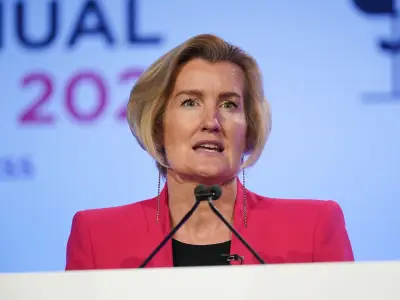
Rachel Vahey, head of public policy at AJ Bell, said: "Savers will lose out on the investment growth they could have earned on the bonus while building up their deposit." She added that the consultation provided only the "broad shape" of the new product, leaving key aspects such as the level of government bonus, subscription limits, and property price cap unclear.

Industry Reactions
Jasvinder Gakhal, chief executive of money at Skipton Building Society, welcomed the consultation as "a step in the right direction," praising the removal of the withdrawal penalty, scrapping of the upper age limit, and review of the price cap. However, he stressed that "the new scheme must keep pace with the market."
Rachel Griffin, tax and financial planning expert at Quilter, noted that the proposed replacement "marks a clear step towards creating a savings product that better reflects the realities facing aspiring homeowners, but there are issues still to be ironed out." She highlighted that the current £450,000 house price cap had become "increasingly detached from reality" and warned that existing LISA holders priced out of eligible properties could still face penalties if they withdraw savings to buy a more expensive home.
Concerns for Self-Employed
Ms Vahey also expressed concern about the lack of clarity for self-employed individuals saving for later life, stating: "The Treasury has been strikingly quiet on what this means for self-employed people saving for later life."
The consultation remains open for feedback, with the government expected to announce further details later this year.