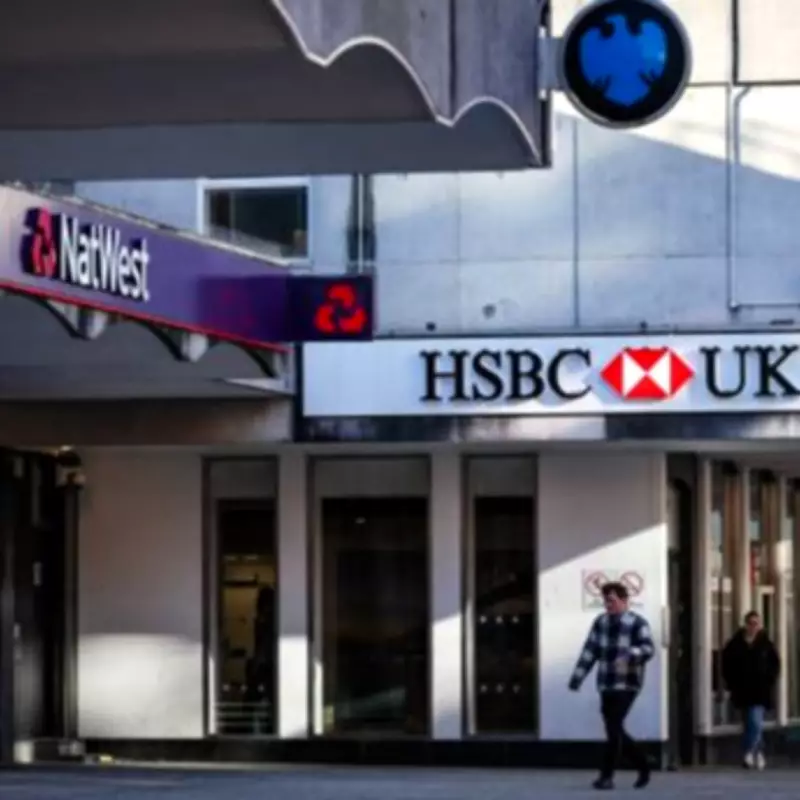
Labour Party Chancellor Rachel Reeves is set to unveil a sweeping overhaul of the UK's ring-fencing regime as soon as Monday, in a bid to boost the country's economy. The Treasury's move aims to protect depositors at the UK's largest retail banks while unlocking billions of pounds in additional lending capacity for five high street giants: Barclays, HSBC, Lloyds Banking Group, NatWest, and Santander UK.
What is Ring-Fencing?
Ring-fencing came into force on 1 January 2019, requiring the largest banking groups to separate core retail banking services from activities such as investment banking. This is designed to prevent retail operations from being affected by global financial shocks. However, critics argue that the rules stifle economic growth and damage competitiveness by tying up capital that could otherwise be loaned to stimulate growth.
Details of the Overhaul
According to Sky News, Reeves has approved proposals that will allow Britain's biggest banks to lend at reduced funding costs to organizations aligned with the government's economic policy objectives. Banks will also be able to share more services between ring-fenced and non-ring-fenced parts, reducing their costs. More detailed proposals could be announced as soon as Monday, though City AM warned of potential delays.

Under the shake-up, banks will be able to conduct a larger proportion of their activities within safer, ring-fenced operations than before. This will include lending to public financial institutions such as the British Business Bank and the National Wealth Fund, as well as other infrastructure-oriented projects.
Economic Context
Last week, Reeves highlighted that the economy unexpectedly grew in March, during the first month of the conflict in the Middle East, as proof that the government has the right economic plan. She stated, "Now is not the time to put our economic stability at risk. To do so would leave families and businesses worse off."