North Wales has never lacked assets or ambition, but what is changing now is the scale of opportunity, according to Giles Thorley, chief executive of the Development Bank of Wales. In a recent opinion piece, Thorley argued that the question is not whether North Wales can grow, but how that growth is shaped and who benefits from it.
A Region of Contrasts and Strengths
From large industrial estates to stunning coastlines, North Wales is a region of stark contrasts. It combines some of the UK’s most significant industrial and energy assets with rural and coastal communities and a fantastic tourism sector. These communities face very different economic realities. However, Thorley emphasized that this contrast is not a weakness but a defining strength. To achieve sustained and inclusive growth, a deliberate, place-based approach is needed to enable businesses to invest, scale, and compete.
Strategic Recognition
Placing the headquarters of the Development Bank of Wales in Wrexham was an acknowledgment that North Wales had historically been underrepresented but is now a core strategic region. This is not just because of its existing industrial base but due to the scale of opportunity emerging as major investment programs move from planning into delivery.

Diverse Economic Landscape
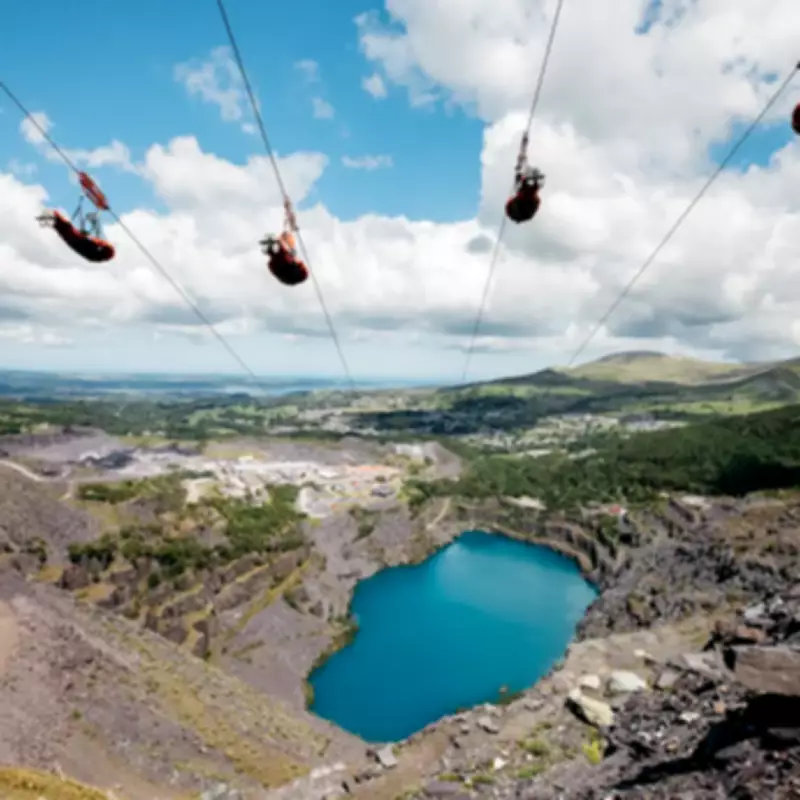
North Wales is often described as a single economic area, but in practice, it is highly diverse. Across Ynys Môn, Gwynedd, Conwy, Denbighshire, Flintshire, and Wrexham, the economic picture varies considerably. Tourism ranges from the stunning beauty of mountains and countryside to glorious beaches and coastline. Increasingly, it reflects a move toward high-quality, year-round attractions that draw visitors from across the UK and beyond. Attractions such as Zip World have become anchor destinations, reinforcing North Wales’ reputation as a leading adventure tourism destination and extending economic impact beyond traditional seasonal peaks. Having served as chair of Zip World, Thorley has seen firsthand the contribution such businesses make to the region’s economy.
In the northeast, particularly around Wrexham and Deeside, there is a strong concentration of advanced manufacturing, engineering, and industrial services. These businesses are integrated with supply chains in the North West of England and are often export-focused, forming a critical part of the wider UK industrial base. Assets such as Wrexham Industrial Estate, one of the largest in Europe, underline the existing scale and capability.
Further west, the picture shifts. Businesses tend to be smaller, owner-managed, and often rooted in tourism, hospitality, food production, and the foundational economy. These sectors are vital to local communities, sustaining employment, skills, and resilience in coastal and rural areas. Both parts of the region matter, and the challenge is ensuring that investment reflects this diversity and drives local community impact rather than assuming a one-size-fits-all model.
Immediate Growth Opportunities
There is a clear sense that North Wales is entering a new phase where long-planned investment can translate into commercial opportunity. Energy and decarbonization are perhaps the most obvious examples. The identification of Wylfa on Anglesey as a site for the UK’s first fleet of small modular reactors, alongside activity in hydrogen, renewables, and industrial decarbonization, points to a long-term structural shift in the region’s economy. This shift will create opportunities not only for large infrastructure projects but also ripple through supply chains, creating demand for smaller businesses developing specialist capabilities.

Early signs of this are already visible. On Anglesey, Ecodetect is developing AI-driven technology to help offshore energy developers monitor environmental impact at scale, a clear example of how innovation and clean growth intersect. Elsewhere, businesses like JBF Group in Wrexham are investing in advanced building materials and low-carbon manufacturing, supported by a mix of public and private capital. There are also clear examples of North Wales businesses scaling successfully into global markets. Aparito, originally founded in Wrexham, developed digital health solutions for patients with rare diseases and achieved significant international growth before its acquisition by Eli Lilly and Company. Stories like this demonstrate the region’s ability to innovate and build businesses that attract global interest and investment.
In addition, public investment initiatives are opening up infrastructure and skills pathways essential for business growth. Their worth goes beyond just providing funding; they also instill confidence in private investors and support long-term business decisions.
Local Growth Matters
At the same time, growth is driven by the decisions of thousands of local business owners responding to opportunity in their own markets. Rib Ride on the Menai Strait is a good example. A well-established tourism business, it is investing to extend its operating season, create new training opportunities, and support local supply chains. That kind of incremental growth can be just as important for jobs, skills, and local resilience. Similarly, regeneration-led developments such as those led by The Neighbourhood Group on Anglesey show how targeted investment can unlock the potential of local assets, in this case through the renovation of disused buildings, while creating long-term economic value. These investments may look different from those in advanced manufacturing or energy, but they play a critical role in ensuring that growth is felt across the region.
Structural Challenges
For all these strengths, it is important to recognize the challenges. Productivity in North Wales remains below UK averages. Skills gaps persist, particularly in higher-value technical roles. Demographic pressures, including an ageing population and outward migration, risk constraining future labour supply. Connectivity also continues to be a limiting factor, whether that is digital infrastructure, transport links, or access to suitable business premises. These are not new issues, but they do shape the investment decisions businesses are willing and able to make. Productivity, skills availability, and connectivity all influence whether firms can scale, modernize, or take on new contracts.
Alongside this, the region’s universities play a critical role in underpinning future growth. Bangor University and Wrexham University are not only major employers but also key partners in developing the skills pipeline, supporting research and innovation, and anchoring economic activity in their communities. Bangor University is also one of the partners in Economic Intelligence Wales, further strengthening the link between academic insight and economic strategy.
This is where development finance has a specific role to play, working alongside businesses as long-term partners, not just as providers of funding. In North Wales, there is consistent demand for patient capital. Businesses looking to scale, transition ownership, or invest in new capability often require funding that is flexible and aligned to long-term outcomes. That is particularly true in manufacturing and energy-adjacent supply chains, where investment horizons are longer and returns are not always immediate. It is equally important in smaller, rural businesses where access to commercial finance can be more constrained. Having a local presence matters here; local insight is often the difference between a transaction and a long-term partnership.
Conclusion
North Wales has never lacked assets or ambition. What is changing now is the scale of opportunity, from industrial growth in the northeast to clean energy on the Island of Anglesey and regeneration across coastal communities. The task is to connect those opportunities with the right kind of investment: patient, place-based, and recognizing the diversity of the region. If that is achieved, North Wales will not only grow but do so in a way that is more balanced, more resilient, and more inclusive. That is the ultimate prize, Thorley concluded.