Prime Minister Warns of Economic Risks from Extended Middle East Conflict
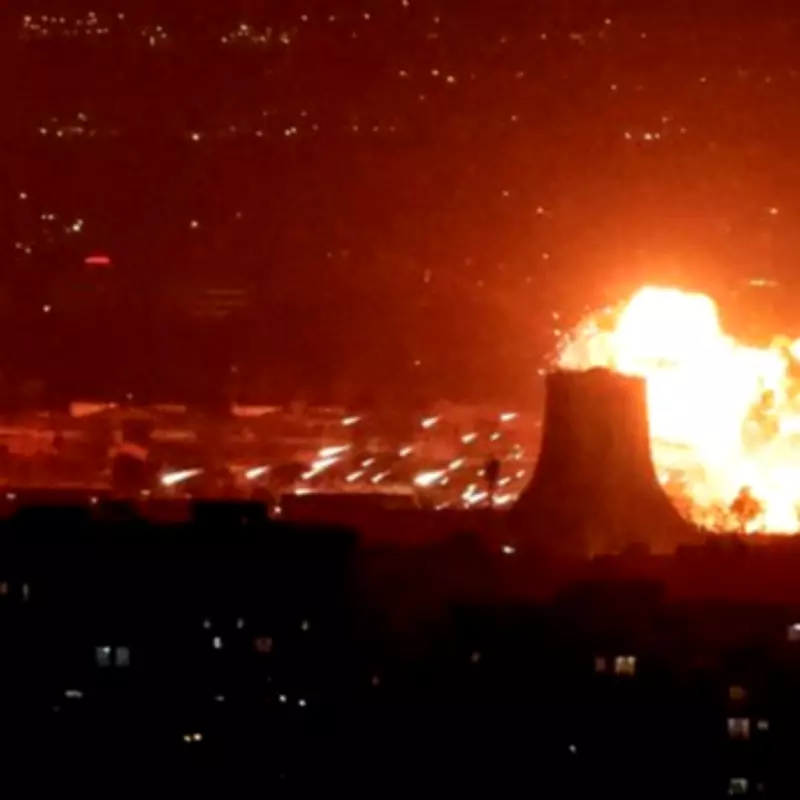
Prime Minister Keir Starmer has issued a stark warning that the United Kingdom's economy could face significant damage if the conflict in the Middle East continues to escalate. Speaking at a community centre in London, Sir Keir emphasized that while the UK economy remains robust and well-prepared to handle immediate impacts, prolonged hostilities between the US, Israel, and Iran pose a growing threat to households and businesses across the nation.
Oil Prices Soar and Market Turbulence Hits London
The immediate economic fallout from the crisis has already manifested, with oil prices skyrocketing above $100 per barrel for the first time since 2022. This surge triggered a sharp decline in London's FTSE 100 Index, which dropped nearly 2% shortly after trading commenced due to severe supply shortages linked to the regional conflict.
Sir Keir acknowledged public anxiety, stating: "People will sense that the longer this goes on, the more likely the potential for an impact on our economy, impact into the lives and households of everybody and every business." He outlined the government's strategy to monitor and mitigate risks through daily coordination with the Bank of England and international partners.

Energy Price Cap Provides Short-Term Shield
Most British households will be protected from immediate energy price hikes by the existing energy price cap. However, rising oil prices are expected to lead to increased costs at fuel forecourts, putting pressure on businesses and commuters alike.
The threat of elevated energy costs driving up inflation has led economists to predict that the Bank of England is now unlikely to reduce interest rates this month, contrary to earlier expectations. This development could further strain household budgets already grappling with the cost of living.
International Response and Political Tensions
Finance ministers from the G7 group of leading democracies, including UK Chancellor Rachel Reeves, are scheduled to convene virtually on Monday to address the crisis. Reports suggest they will consider a coordinated release of petroleum reserves through the International Energy Agency to cushion the economic shock.
Meanwhile, political tensions have flared between the UK and US administrations. US President Donald Trump has repeatedly criticized Sir Keir's initial reluctance to authorize military action against Iran, despite the Prime Minister later granting permission for defensive operations from UK bases. In a social media post, Mr Trump declared that oil prices would "drop rapidly when the destruction of the Iran nuclear threat is over" and dismissed concerns as "a very small price to pay."
Sir Keir responded to questions about escalating tensions, emphasizing: "We do need to find a way to de-escalate the situation... and make sure it doesn't escalate even further than it already has." He confirmed ongoing communication with President Trump regarding military cooperation in the region, despite public criticism from the US leader.
Domestic Political Reactions
The crisis has sparked domestic political debates, with Liberal Democrat leader Sir Ed Davey calling for the cancellation of the King's state visit to the US over Mr Trump's "illegal war" and perceived insults to the UK. Meanwhile, Tory leader Kemi Badenoch announced plans for a parliamentary vote to maintain fuel duty "as low as possible" after the Chancellor revealed the longstanding 5p reduction would end in September.
Badenoch criticized the government's approach, stating: "The first thing that the Prime Minister should do is stop Rachel Reeves's silly changes to fuel duty." She argued that such measures would provide tangible relief to families struggling with living costs.
Looking Ahead: Resilience and Uncertainty
Sir Keir maintained that the UK economy possesses greater resilience than during the 2022 energy price shock triggered by the Ukraine invasion, thanks to strengthened public finances and proactive monitoring. However, he acknowledged that businesses remain vulnerable to market turbulence and called for continued vigilance.

As the conflict enters its second week with the recent appointment of Mojtaba Khamenei as Iran's new supreme leader following his father's death in an Israeli strike, the economic outlook remains uncertain. The Prime Minister's warning underscores the delicate balance between international stability and domestic economic security in an increasingly volatile global landscape.