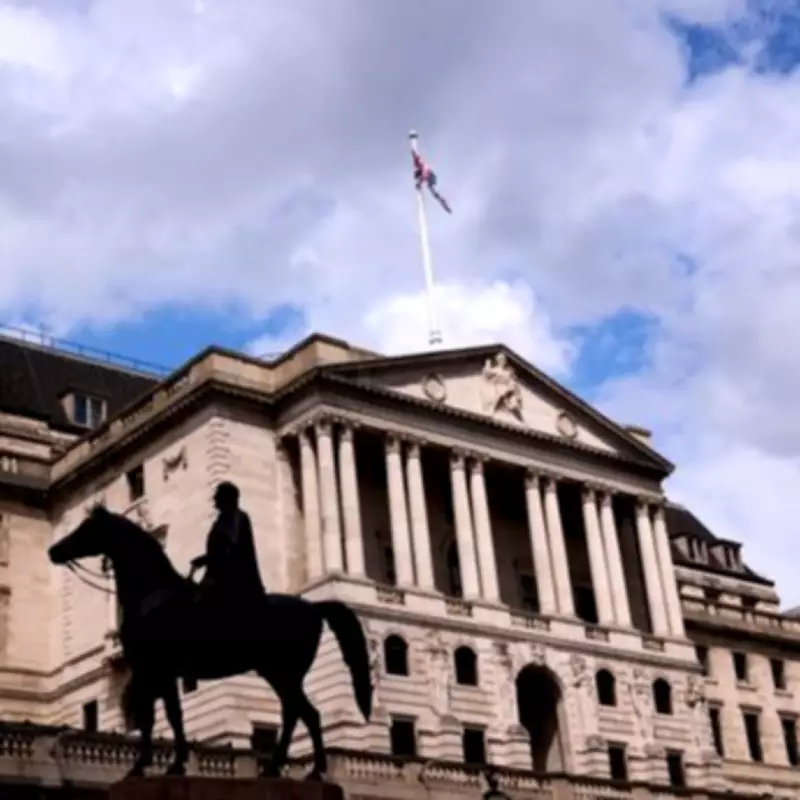
UK Economy Records Zero Growth in January 2026 as Recession Concerns Mount
Official data released this morning has revealed that the United Kingdom's economy posted zero growth in January 2026, following modest increases in the previous months. The figures have sparked significant concern among economic experts, who warn that the risk of recession now appears far more serious, especially as these statistics do not yet account for the potential impacts of the ongoing Middle East crisis.
Sector Performance Shows Mixed Results
The detailed breakdown of the GDP data shows a varied performance across different sectors of the economy. In January 2026, the services sector showed no growth whatsoever, while production output actually fell by 0.1%. On a slightly more positive note, the construction industry experienced growth of 0.2% during the same period. This stagnation comes before the anticipated effects of the energy crisis linked to the war in the Middle East, which is expected to drive inflation higher in the coming months.
Three-Month Comparison Reveals Broader Trends
Looking at the broader picture, the three months leading up to January 2026 saw GDP grow by 0.2% compared to the three months to October 2025. This follows growth of 0.1% in the three months to December and no growth in the three months to November 2025. During this latest three-month period, services output increased by 0.2%, rebounding from no growth in the previous quarter. Production output grew by 1.3%, up from 1.2% in the three months to December 2025. However, construction output fell sharply by 2.0%, continuing a downward trend with falls of 2.1% and 0.9% in the preceding quarters.

Expert Analysis and Official Commentary
Liz McKeown, Director of Economic Statistics at the Office for National Statistics, provided context for the figures. "Growth ticked up slightly in the latest three months, partly reflecting the recovery of car manufacturing, following the cyber incident in the Autumn," she stated. "Within services, which also increased, wholesale continued to rebound from a weak summer. However, the overall picture remains subdued, with no growth in the latest month. There was another large fall in the construction industry in the latest three months, with continued contraction in housebuilding."
Stephen Perkins, Managing Director at Norwich-based Yellow Brick Mortgages, offered a more critical perspective when speaking to Newspage. He described the figures as unsurprising but deeply troubling. "These GDP results are a harrowing scorecard of the government’s economic policy, but unsurprising given the number of businesses on their knees," Perkins remarked. "The greatest concern is these do not yet reflect the impact of the latest global financial crisis from the war in Iran. Tough times lay ahead for everyone in the UK."
Historical Context and Future Outlook
The January 2026 data follows growth of 0.1% in December 2025 and 0.2% in November 2025, indicating a gradual slowdown in economic momentum. The combination of stagnant growth, sectoral declines, and external geopolitical pressures paints a challenging economic landscape for the UK. As experts highlight, the full impact of the Middle East crisis on energy prices and inflation has yet to be factored into these statistics, suggesting that future economic reports may reveal even more significant challenges ahead.