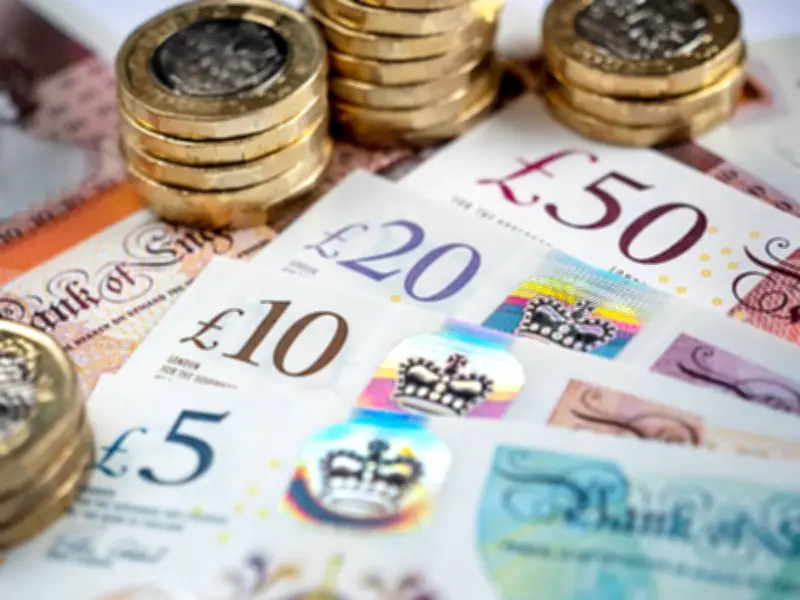
British families have suffered the worst wealth crash of any developed nation since the Covid-19 pandemic, with the average person losing approximately £28,500 in real terms over the past five years, according to a new UBS survey of 37 wealthy countries.
Wealth Decline Details
The UBS report reveals that the typical UK adult now holds just over £95,500 in assets, representing a staggering fall of more than 23% on both average and median measures. This is the worst performance in the entire survey, leaving British households at the bottom of the wealth rankings among developed nations.
UBS chief economist Paul Donovan attributed the decline to a period of notably higher inflation in the UK compared to Europe. “The UK had a brief period of notably higher inflation than Europe did, and that has distorted the real numbers,” he said. “You had a couple of years of quite high inflation, partly because of the various peculiarities of our energy pricing structure.”

Impact of Real Estate and Inflation
Donovan also highlighted the significant role of real estate in household wealth. “There is a considerable weight to real estate as a form of wealth because it is the largest asset that most people own. A change in the relative performance of your local real estate market can have a notable bearing on, in particular, the median wealth level over time,” he added.
The UK inflation rate remained at 2.8% in the year to May, according to the latest data from the Office for National Statistics (ONS). The rate has been on a broad downward trend since July 2025, when it stood at 3.8%. However, the impact of the closure of the Strait of Hormuz and Middle East hostilities caused monthly inflation to spike at 0.7% in both March and April, implying an annualised rate of over 6%. The monthly figure for May was much more normal at 0.2%, an annualised rate of 2.4%.
Future Outlook
The main impact on energy prices has been delayed to the Ofgem price cap rise in July, which on its own will cause an increase in the consumer price index (CPI) of 0.7%. This could further strain household finances, potentially exacerbating the wealth decline observed in the UBS survey.
The findings underscore the severe financial pressure on UK households, with real wealth eroding faster than in any other developed nation since the pandemic began.