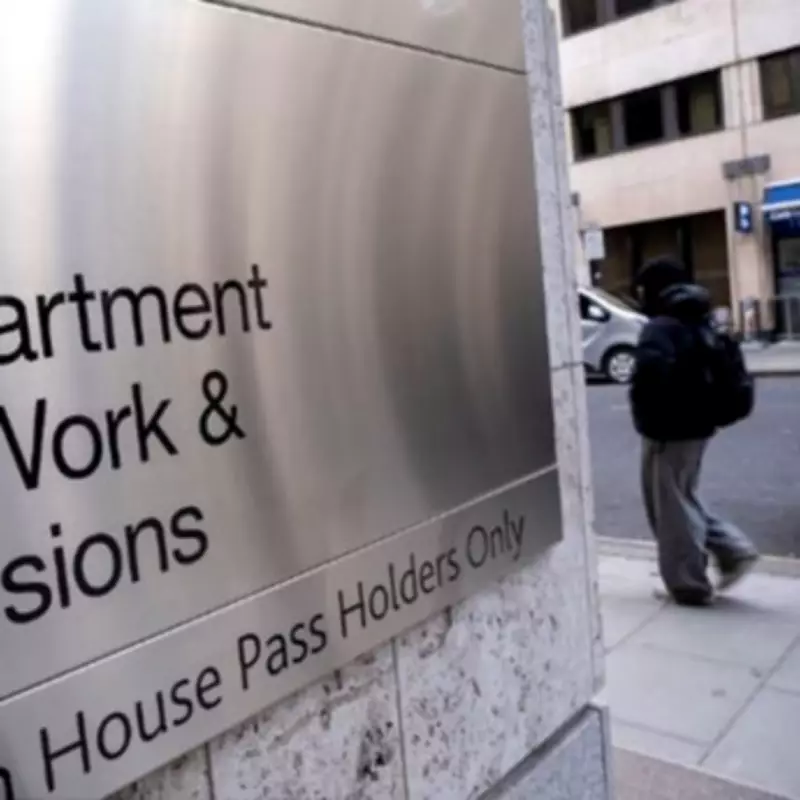
DWP Faces 'Existential' Crisis Over Youth Unemployment Surge to Five-Year High
The Department for Work and Pensions (DWP) is confronting what experts describe as an "existential" crisis, centered on the urgent need to reintegrate younger individuals into the workforce. Recent data reveals a troubling trend: youth unemployment among those aged 18 to 24 escalated to a five-year high during the final quarter of 2025. This alarming increase underscores deep-seated challenges in the labor market that threaten to marginalize an entire generation.
Expert Warnings of Long-Term Consequences
Alan Milburn, former Labour Party MP and minister, who chairs the government’s Young People and Work review, emphasized the severity of the situation. He stated that the rise in youth unemployment represents an "existential" risk for the United Kingdom, potentially consigning "a generation on the scrapheap." Milburn highlighted that this is not a temporary issue but a long-term phenomenon, with dramatic shifts occurring in labor markets. He pointed out that 45% of 24-year-olds not in education, employment, or training have never held a job, leading to long-term scarring effects and a likely lifetime dependency on benefits.
Personal Struggles of Young Jobseekers
The human impact of this crisis is starkly illustrated by the experiences of young individuals like a 22-year-old who has been unemployed since January 2025. She applies to an average of 50 roles monthly, utilizing four different CVs tailored to various job sectors. "I can’t be picky with what I want to apply for," she explained, noting that she submits applications daily. The relentless cycle of job hunting has taken a toll, with her describing it as "pretty miserable" and "soul-crushing" over time.

Organizational Insights on Systemic Barriers
Jonathan Townsend, UK chief executive of The King’s Trust, an organization dedicated to assisting young people in finding employment, observed that more youth are approaching them eager to work but feeling excluded from opportunities. He attributed this to a uniquely difficult start to working life, exacerbated by the pandemic, which disrupted education and early work experiences, creating gaps in essential skills, confidence, and professional networks.
Julie Leonard, chief impact officer at Shaw Trust, a national employment charity, echoed these concerns, stating that this generation has faced a "raw deal." She highlighted the pandemic's timing during critical skill-development periods and the unprecedented social and technological changes shaping their entry into the workforce.
The convergence of these factors presents a formidable challenge for the DWP, necessitating innovative strategies to address youth unemployment and prevent long-term economic and social repercussions.