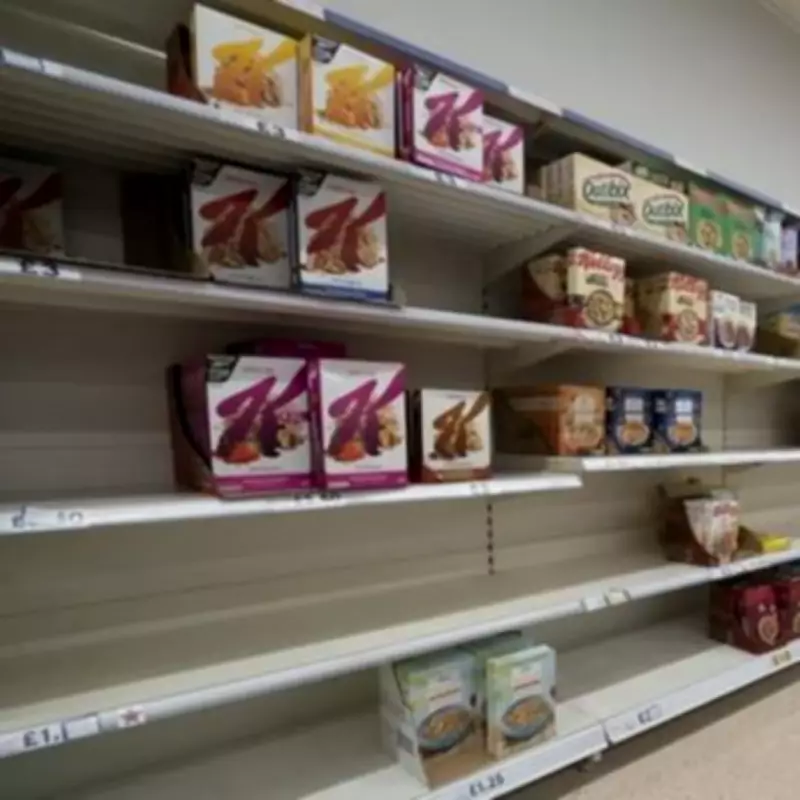
The Energy and Climate Intelligence Unit (ECIU) warns that UK food prices are on track to be 50 per cent higher by November 2026 compared to levels at the start of the cost-of-living crisis in mid-2021. This represents a significant financial blow to households already struggling with rising costs.
Six Worst-Hit Staples
Six supermarket staples have been particularly affected, with further increases expected. These include pasta (up 50 per cent), frozen vegetables (up 55 per cent), chocolate (up 58 per cent), eggs (up 59 per cent), beef (up 64 per cent), and olive oil (up 113 per cent). Together, these hikes have pushed household food bills up by an average of £605 over 2022 and 2023, with energy shocks accounting for £244 of this increase.
Expert Commentary
Chris Jaccarini, food and farming analyst at the ECIU, stated: “Trump’s war in the Middle East is set to drive shopping bills higher as oil and gas prices spike. Scientists are predicting 2027 to be the hottest year on record with climate change combining with the El Nino effect kicking off this year. Three of England’s worst harvests on record have been in the past five years. Unless we get to net zero emissions to stop climate change and bring balance to the system, food prices will spiral ever further, but net zero also means burning less oil and gas, so insulating our food system from the kind of price spikes we’ve been seeing since Russia invaded Ukraine.”

Anna Taylor, Executive Director of the Food Foundation, added: “Food prices rising this high, and this fast leaves families on the lowest incomes with nowhere left to cut except the food on their plate. When that happens, people skip meals, children go hungry, and diet-related illness rises - taking parents out of work and piling pressure on an NHS that can least afford it. This conflict is the latest shock in a series, and there will be more. The question for government isn't just how to respond to this crisis - it's whether we're finally going to build a food system resilient enough to withstand the next one. That's exactly what the Good Food Bill would do: lock in a long-term commitment to affordable, healthy food so that the next geopolitical shock doesn't land on the plates of the families who can least afford it.”