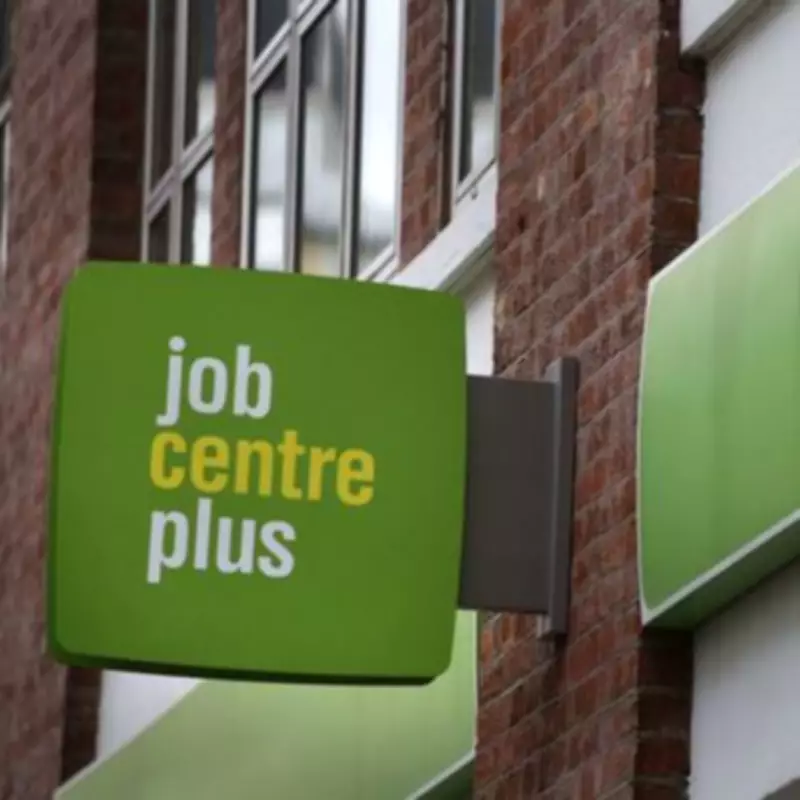
The United Kingdom's unemployment rate has climbed to 5%, while the number of job vacancies has dropped to its lowest point since 2021, prompting experts to warn that the economy is stuck in first gear.
Employment Figures
According to newly released data, the estimated UK employment rate remained largely unchanged year-on-year but saw a slight increase of 0.1% to 75% in the quarter from January to March 2026, compared with the previous quarter (October to December 2025). The unemployment rate rose by 0.5% over the year but decreased by 0.2% in the latest quarter, settling at 5%.
Vacancy Decline
Vacancy estimates fell during the quarter, with early figures for February to April 2026 indicating a drop of 28,000 (3.9%) to 705,000, compared with November 2025 to January 2026. This marks the lowest vacancy level since February to April 2021. Total estimated vacancies were down by 54,000 (7.1%) from a year earlier.

In January to March 2026, there were 2.5 unemployed individuals per vacancy, a ratio unchanged since July to September 2025 after previously increasing quarter on quarter since July to September 2024.
Expert Commentary
Katie Dunn, Managing Director of KD Recruitment, shared her insights with Newspage, noting that she is witnessing the slowdown firsthand. She stated, It is encouraging to see unemployment edge down slightly, and we should recognise the resilience that still exists in the UK labour market. People are continuing to find work, businesses are still recruiting, and there are still opportunities across many sectors.
However, falling vacancies show that employers are becoming more cautious. This is not a jobs market that has stopped, but it is one that is moving more carefully. As a recruitment business that contributes to Recruitment and Employment Confederation (REC) labour market data, we are seeing this first-hand. The latest REC Labour Market Tracker showed new job postings fell by 7.7% between March and April 2026 and were down 5.6% year on year.
Nevertheless, active postings remained above 1.6 million and were still 7.3% higher than a year earlier, indicating that underlying demand persists. Dunn added, What this tells us is that businesses still need people, but many are weighing up recruitment decisions more carefully because of rising costs, uncertainty and pressure on margins.