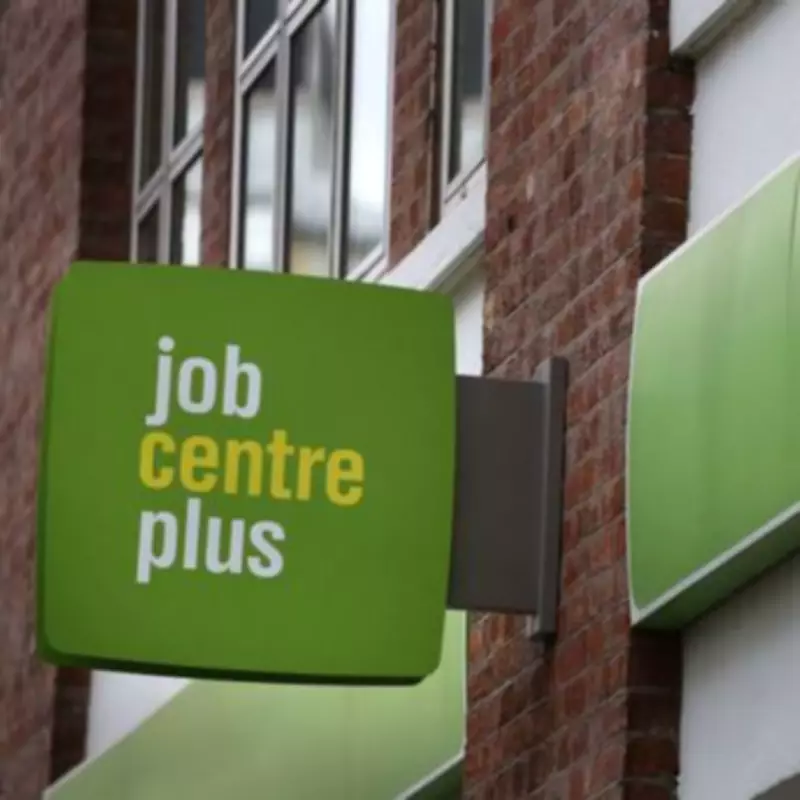
Wales Bucks National Trend with Significant Unemployment Drop
New data from the Office for National Statistics (ONS) reveals a striking divergence in employment trends across the United Kingdom. While the overall UK unemployment rate climbed to 5.2% in the three months to December, marking its highest point in nearly five years, Wales demonstrated remarkable resilience with a substantial decrease.
Sharp Decline in Welsh Unemployment Figures
The statistics show Wales experienced a 1.2% reduction in unemployment, translating to approximately 18,000 fewer people out of work, bringing the total to 70,000. This decline represents the most significant improvement of any UK nation or region during the July to September period last year. The Welsh unemployment rate now stands at 4.5%, notably lower than the UK average.
In contrast, Northern Ireland recorded a modest 0.2% decrease, while the east of England saw a minimal 0.1% fall. These regional variations highlight the uneven economic recovery occurring across different parts of the country.

Economic Inactivity Remains a Concern
Despite the positive unemployment figures, Wales continues to face challenges with economic inactivity. The data indicates that 24.8% of working-age adults in Wales (485,000 people) are economically inactive, significantly higher than the UK-wide figure of 20.8%. This persistent gap underscores ongoing structural issues within the Welsh labour market that require targeted intervention.
Government Response and Data Reliability Questions
The Welsh Government has responded cautiously to the ONS figures, emphasizing the need for careful interpretation due to ongoing improvements in Labour Force Survey methodology. A government spokesperson stated, "Evidence from multiple sources suggests Wales has followed similar labour market trends to the UK since the pandemic."
Officials pointed to alternative data from the Annual Population Survey (APS), which shows a 4.5% unemployment rate for people aged 16 and over in Wales compared to 4.2% across the UK. The government highlighted its support for approximately 46,000 jobs during the current Senedd term through business initiatives and noted recent backing for 20 renewable energy projects with potential for thousands of additional positions.
Youth Unemployment Crisis Deepens Nationally
While Wales shows improvement, the broader UK picture reveals alarming trends, particularly affecting younger workers. The ONS reported that unemployment among 16 to 24-year-olds surged to 16.1% in the latest quarter, reaching its highest level since early 2015. This means nearly one in six young people seeking employment cannot find work.
Louise Murphy, senior economist at the Resolution Foundation, expressed grave concern: "We must urgently turn our attention to the UK's unemployment problems. At the end of last year almost one-in-six young people who wanted to work couldn't find a job. Unemployment risks climbing even further in 2026."
The think tank's analysis reveals that UK youth unemployment now exceeds the European Union average for the first time since records began in 2000, with the EU rate standing at 14.9% in the final quarter of last year.
Political Reactions and Economic Context
The weakened national jobs market has placed particular strain on retail and hospitality sectors, with companies responding to increased national insurance contributions and above-inflation minimum wage hikes by reducing hiring and cutting positions.
Political responses have been sharply divided. Conservative critics described the rising UK unemployment as "the predictable result of bad decisions and economic incompetence" by the Labour Government. Shadow work and pensions secretary Helen Whately argued, "Young people are taking the hardest hit. Entry-level roles are the first to disappear from Labour's tax hikes."
In response, Work and Pensions Secretary Pat McFadden highlighted government efforts: "The figures show there are 381,000 more people in work since the start of 2025, but we know there is more to do. Our £1.5 billion drive to tackle youth unemployment is a key priority."

Broader Economic Indicators and Outlook
The ONS data revealed additional concerning trends, including regular wage growth falling to 4.2% in the three months to December—its lowest level in nearly four years. After adjusting for Consumer Prices Index inflation, this represents a modest 0.8% increase.
Despite these challenges, there were positive signs with vacancies increasing by 2,000 quarter-on-quarter to 726,000 in the three months to January, marking the second consecutive rise. However, ONS director of economic statistics Liz McKeown noted "weak hiring activity" and observed that "more people who were out of work are now actively looking for a job."
The number of unemployed people per vacancy has reached a new post-pandemic high, while redundancies increased by 11,000 to 145,000 in the final quarter of 2025. Payroll data showed a decline of 6,000 workers in the three months to December, with an estimated further drop of 11,000 in January to 30.3 million.
These employment figures follow recent economic growth data showing meager 0.1% expansion in the final quarter of last year. Experts suggest the weak labour market performance may reinforce expectations for the Bank of England to cut interest rates next month, with anticipated inflation data likely to support arguments for monetary policy easing.