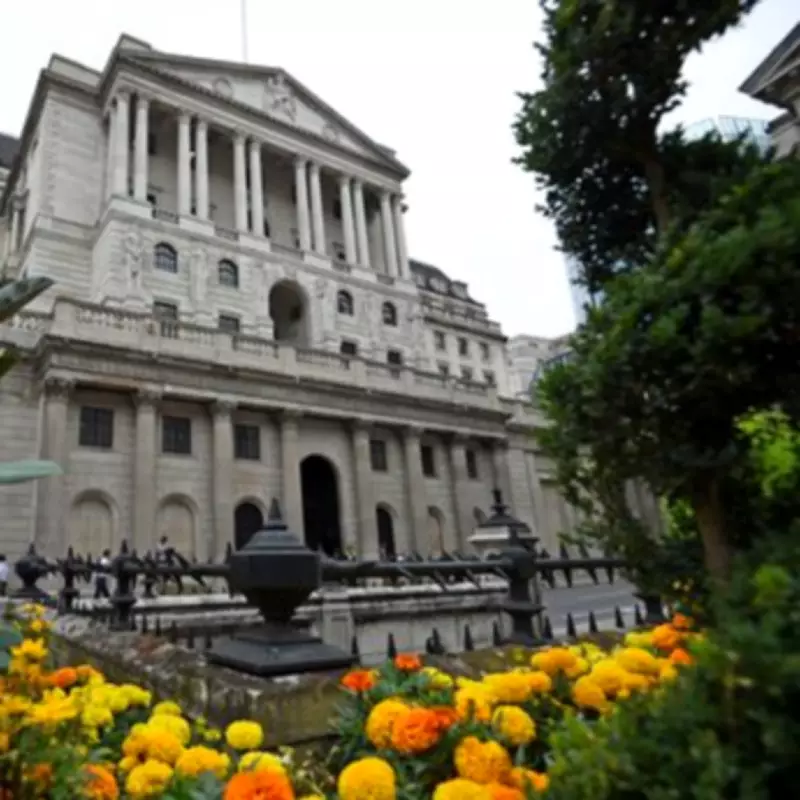
Bank of England Maintains Base Rate Amid Mounting Inflation Pressures
The Bank of England has opted to keep its base interest rate steady at 3.75%, a decision driven by growing concerns over inflation fueled by geopolitical tensions in the Middle East. Every member of the Monetary Policy Committee voted unanimously to hold the rate, marking a significant shift from earlier expectations of gradual cuts throughout the year.
Geopolitical Turmoil Disrupts Economic Forecasts
Just one month ago, BoE Governor Andrew Bailey projected that inflation would drop to 2% by May, down from the current 3%. However, this forecast has been severely undermined by recent events, including attacks by Israel and the United States on Iran three weeks ago. The conflict shows no signs of abating, with US President Donald Trump maintaining a firm stance and Iran targeting energy facilities in Qatar.
The resulting surge in global oil and gas prices has sparked fears of an imminent inflation spike, leading to increased swap rates and mortgage rates. This development has left the Bank of England in what experts describe as "survival mode," with the impact on mortgage pricing being compared to "Covid 2.0" due to its widespread economic repercussions.

Market Reactions and Expert Insights
Financial markets have been rattled by spiking swap rates, which have made borrowing more expensive and further strained an already fragile property market. Mortgage brokers anticipate that rates will continue to climb in the coming weeks, while financial advisers note that savers might see some benefits, though these gains could be eroded by inflation.
Bob Singh, Founder of Uxbridge-based Chess Mortgages, commented on the situation, stating: "In a widely expected move, the Bank of England has followed in the steps of the Federal Reserve, who also held their rates. Clearly, the central banks fear the spectre of inflation amid rising crude prices and what is becoming a protracted conflict in the Middle East."
Singh further emphasized the need for government intervention, suggesting that abolishing stamp duty could help revitalize the property market and prevent a potential recession.
Broader Implications for the Economy
The decision to hold the interest rate reflects broader economic uncertainties, with the Bank of England prioritizing inflation control over stimulating growth. This move underscores the challenges faced by policymakers in navigating volatile global conditions, where geopolitical events can swiftly alter economic trajectories.
As the situation evolves, stakeholders across the financial sector will be closely monitoring further developments in the Middle East and their ongoing impact on inflation, interest rates, and the overall economic landscape.