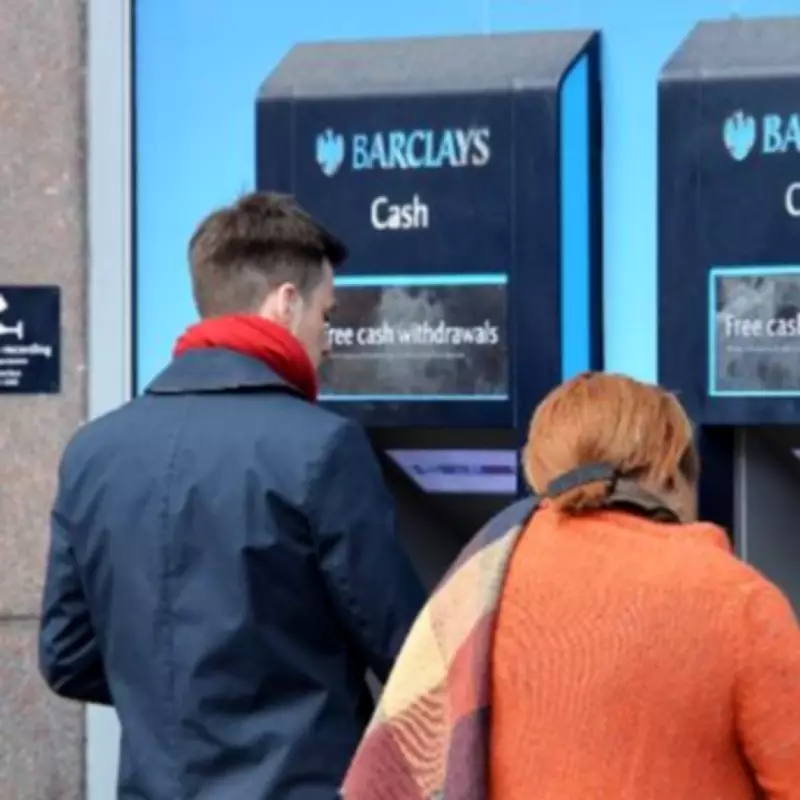
Barclays Urges Vigilance Against 'Free Money' Social Media Scams
Barclays, which operates multiple branches across Birmingham, has issued an urgent public warning to customers to remain vigilant against a surge in fraudulent 'free money' offers proliferating on social media platforms. The bank is actively advising individuals to be acutely aware of deceptive content that promises unrealistic financial gains.
Identifying the Red Flags of Fraud
In a detailed social media advisory, Barclays highlighted several critical red flags that customers must watch for. These include unsolicited promises of free money or any claims that intuitively feel too good to be true. The bank specifically referenced a common scam scenario where fraudsters impersonate financial advisors, claiming they can help individuals reclaim thousands from their direct debits.
"You can claim back thousands from your direct debits. I can show you how to get it refunded," is a typical fraudulent message cited by Barclays. The bank emphasizes that such videos or posts are often orchestrated by scammers.

Direct Advice from Barclays Employees
A Barclays employee explicitly stated in the warning: "If you're still watching, that means you might need to learn about how to spot a direct debit scam. Videos like this, where someone offers you something that's too good to be true, are often fraud."
The bank's clear guidance is to never share personal bank details with strangers and to immediately ignore, block, and report any suspicious accounts encountered online. "Remember to never share your bank details with a stranger. And if you see videos like this on your feed, remember to ignore them, block them, and move on," the advisory reinforced.
Proactive Protection Measures
Barclays advises that the most effective defense against these social media scams is to proactively block any accounts posting dubious content. Customers are reminded to remain skeptical of offers for 'free money' or other extravagant claims. The bank notes that fraudsters are becoming increasingly sophisticated in appearing legitimate, making constant vigilance essential.
"Fraudsters try to appear legitimate, so it’s important to be vigilant. Contact us straight away if you think you may have been the victim of fraud or a scam," Barclays urged.
Understanding Social Engineering Tactics
The bank further explained that these scams often involve social engineering, where criminals impersonate trusted entities like banks or the police through emails, texts, or calls. "Social engineering is when scammers trick you into giving them confidential or personal information, then use it to help them scam you," Barclays clarified, underscoring the manipulative nature of these attacks.
Broader Economic Context
This warning emerges amidst broader economic pressures highlighted in Barclays Business Prosperity research. A survey of over 500 UK business leaders assessing the impact of the Middle East conflict revealed that 66% of businesses are already experiencing significant pressures from rising fuel and energy prices. Additionally, 50% report moderate or severe supply chain disruptions, indicating a challenging economic environment that may make individuals more susceptible to fraudulent financial promises.
Barclays continues to emphasize that customer education and immediate reporting are crucial in combating financial fraud, especially as scams evolve in complexity and reach on digital platforms.