DWP Granted Authority to Inspect and Seize Funds from Six Bank Account Types
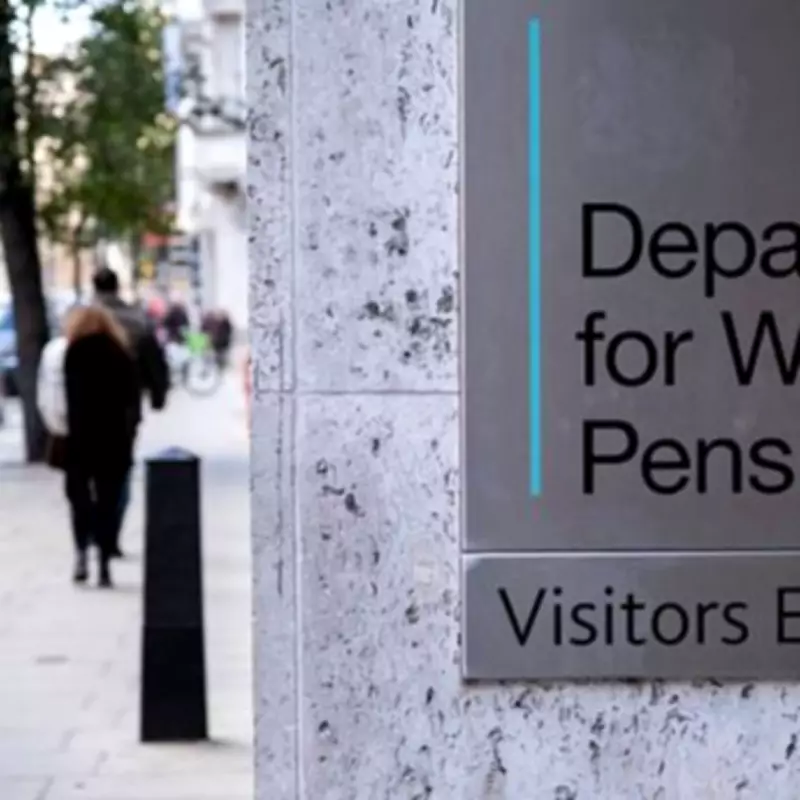
The Department for Work and Pensions has been handed substantial legal powers enabling it to check and seize cash from benefits claimants' bank accounts under a new government crackdown. These powers, described as "significant," are designed to be used proportionately to combat fraud and error within the benefits system.
New Legislation Empowers DWP
The Public Authorities (Fraud, Error and Recovery) Act 2025 provides the DWP with the authority to compel banks and other financial institutions to disclose information. This data will be used to verify claimants' eligibility and entitlement to benefits, ensuring payments are accurate and lawful.
Six Account Types Subject to Inspection
Under this legislation, the government can recover money from any establishment legally defined as a bank. The types of accounts that can be inspected extend beyond standard current accounts. The DWP can enter and seize funds from the following six account types:

- Current accounts
- Savings accounts
- Joint accounts
- Packaged bank accounts
- Student or graduate bank accounts
- Crypto holdings
This list is not exhaustive, meaning additional account types may also be subject to scrutiny under certain conditions.
Triggers for Bank Account Checks
The DWP may initiate checks on bank accounts if there is suspicion of undeclared income or savings, spending patterns inconsistent with claim information, or failure to report cohabitation. Other red flags include large cash deposits, frequent transfers, or unexplained overseas payments.
Bank account inspections are one of several tools employed in fraud investigations, typically forming part of a broader benefit-fraud inquiry.
Safeguards and Official Statement
A DWP spokesperson emphasized that the powers under the Fraud, Error and Recovery Act include numerous safeguards and will be independently overseen. The spokesperson clarified, "We will not have access to claimants’ bank accounts when checking they are receiving the correct benefits."
The department stated, "We have introduced major reforms to ensure people are paid the correct benefits, to recover overpayments and to help save billions of pounds for the taxpayer." The DWP is targeting a reduction in fraud and error levels to 2.8% by 2028-29, which would be the lowest rate since tax credits were introduced in 2003/04.
This crackdown represents a significant shift in how benefits fraud is addressed, with enhanced financial scrutiny aimed at protecting public funds and ensuring system integrity.