HMRC Scraps Home Working Tax Allowance for 300,000 UK Workers
In a significant policy shift, HM Revenue and Customs (HMRC) has officially scrapped the home working tax allowance, impacting an estimated 300,000 households across the United Kingdom. This change, which takes effect from Monday, April 6, 2026, will result in tax increases for affected workers, with bills rising by up to £124 annually for higher-rate taxpayers.
Financial Impact and Government Savings
Research conducted by Azets, a prominent accountancy and business advisory firm, reveals that HMRC estimates the removal of this allowance will save the Treasury approximately £115 million over a five-year period starting from April 2026. The tax relief, which has been in place for many years, allowed workers to claim up to £6 per week without requiring receipts, covering additional household expenses such as heating, electricity, and business-related phone calls incurred during employment duties.
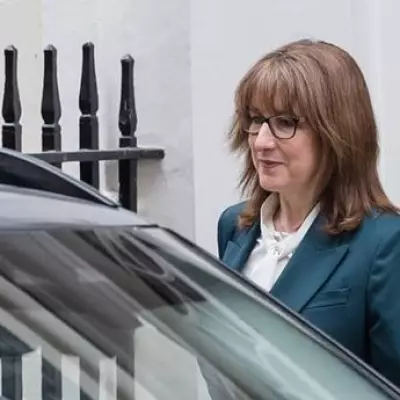
Clair Williams, head of employment tax at Azets, commented on the implications: "Claimants currently receive tax relief on up to £6 a week, and receipts are not required by HMRC. Removal of this tax relief will mean basic rate taxpayers see a tax increase of £62 and, at the higher rate, £124."

Shift in Responsibility to Private Sector
The government has cited concerns about non-compliance, including fake claims, as a primary reason for this change. According to Williams, this move effectively shifts the cost responsibility to the private sector. She noted that the business tax burden in the UK currently stands at 32 percent, which is the highest it has been in 28 years.
"Citing concerns about non-compliance, which is shorthand for fake claims, the government is moving the cost responsibility to the private sector," Williams explained. "Local employers may come under pressure to change their policies on reimbursement to provide work-from-home staff with financial reassurance. Some staff don't have workplaces to go to because their employer doesn't actually have physical premises."
Deadlines and Retrospective Claims
Affected individuals have a limited window to make claims. The estimated 300,000 people currently claiming the tax relief can do so for the 2025-2026 tax year and retrospectively for up to four previous tax years. However, this option will no longer be available for the new tax year starting in April 2026.
Important deadlines include:
- The deadline for claiming tax relief for the 2021-22 tax year is April 5, 2026.
- No new claims will be accepted for the tax year beginning April 6, 2026.
Alternative Reimbursement Options
Despite the scrapping of the tax allowance, employers retain the ability to reimburse employees for work-related home expenses. If eligible, such reimbursements can be made without deducting income tax and National Insurance contributions, providing a potential avenue for financial support.
Williams highlighted that this policy change may have flown under the radar for many: "With so many policy announcements made, this one perhaps fell through the cracks of general awareness." She emphasized the broader economic context, noting that the elimination of this measure, based on HMRC's own calculations, will save the Treasury £115 million over five years from its introduction.