HMRC to Issue Tax Demand Letters to 2.7 Million UK Savers
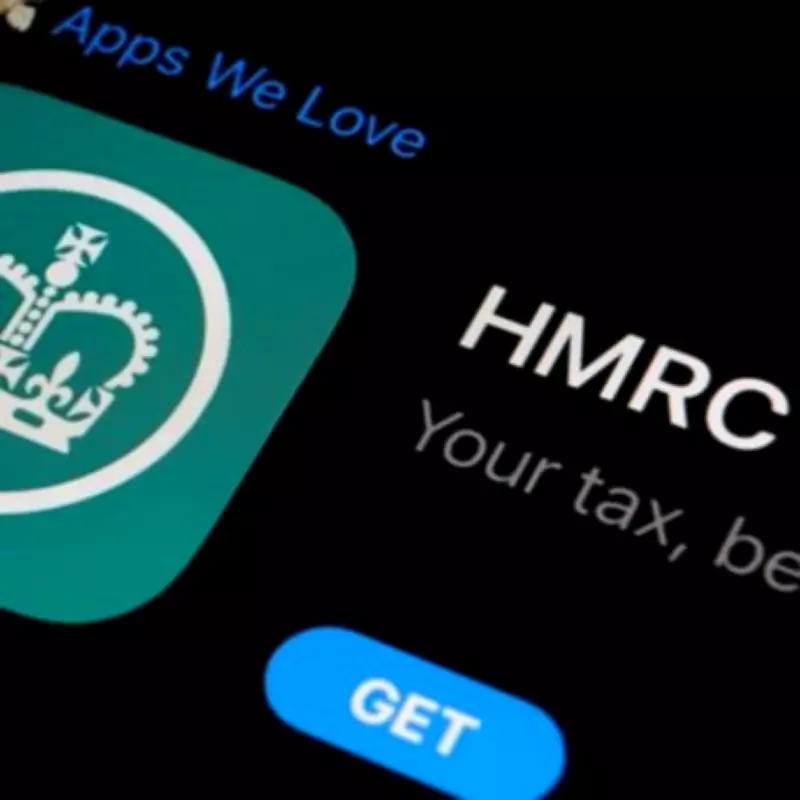
Nearly three million UK households are set to receive tax bills on their savings in the coming year, according to recent Treasury forecasts. HMRC is preparing to send demand letters to more than 2.7 million individuals, including a significant number of pensioners, as part of a broader fiscal strategy.
Financial Impact and Expert Analysis
The tax authority is expected to collect approximately £6.6 billion from what financial experts have termed a 'prudence penalty' on cash savings. Savers, including around 1.2 million pensioners, face an average tax bill of £2,300, with projections indicating the number of affected individuals could rise to 2.8 million.
Ian Rand, chief executive of Monument Bank, commented on the situation, stating: "The 'mass affluent' are now the primary target for a new era of fiscal drag. With the number of people paying tax on savings set to hit 2.8 million, we are seeing a 'prudence penalty' that hits harder every year." He further warned that the real financial sting will occur next year when the cost of being caught in this tax net increases by two percentage points.

Unpleasant Surprises for Savers
Laura Suter of online broker AJ Bell highlighted that many savers may not realize they've exceeded their tax-free allowance until HMRC contacts them. "Unless you complete a tax return, the tax is deducted via PAYE," she explained. "That's applied in retrospect to cover any unpaid tax HMRC believes is due for previous tax years, so you may get an unpleasant surprise when a brown envelope lands on your doormat."
Andrew Wright from Paragon Bank noted that anticipation of changes announced in the autumn Budget has encouraged savers to review their financial arrangements. "Savers are maximizing the benefits of cash Isas while allowances remain unchanged," he observed.
Behavioral Patterns and Economic Consequences
Greg Davies of economic analysis firm Oxford Risk pointed to a longstanding behavioral issue in the UK: "People hold too much cash because it feels safer than investing. The tax burden on savings now exacerbates that already large behavioral cost. People are not only giving up long-term investment returns, but increasingly paying for the privilege of staying uninvested."
Government Response and Economic Context
A Treasury spokesman defended the government's economic approach, stating: "We have the right economic plan with savers keeping the £20,000 Isa allowance tax-free – one of the most generous globally. And tax for low and average earners remains at a historic low. People are set to be £1,000 a year better off by the end of this Parliament, as inflation falls and living standards rise."
The situation underscores the growing financial pressure on savers in the current economic climate, with millions facing unexpected tax liabilities on their hard-earned cash reserves.