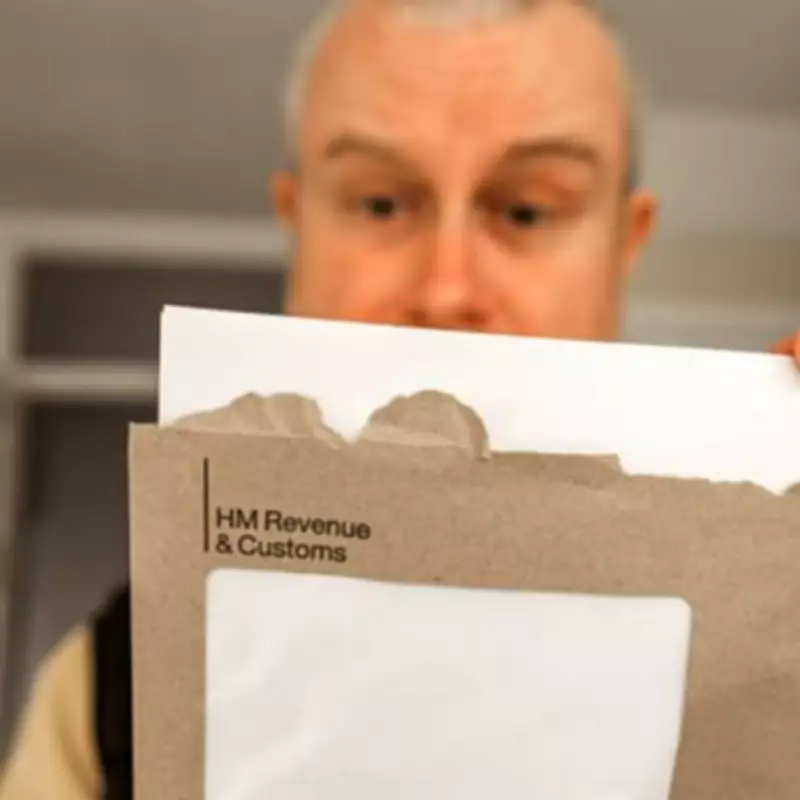
HMRC Tax Demands on Savings Interest Skyrocket, Affecting Over 1.4 Million
New data from HMRC shows that more people than ever are being hit with tax bills on their savings interest, with over 1.4 million basic rate taxpayers—including many state pensioners—now facing an average demand of £641. This represents a significant surge in the number of individuals liable for this tax, which has more than doubled in just three years.
Sharp Increase in Taxpayers on Savings
The figures reveal a dramatic rise from 1.27 million people in the 2022/23 tax year to 2.79 million in 2025/26. Basic rate taxpayers have been particularly impacted, with their numbers soaring from 613,000 to 1.42 million over the same period—a staggering increase of 132%.
Andrew Wright, head of savings at Paragon Bank, commented: "More people than ever are being drawn into paying tax on their savings, and a letter from HMRC risks catching many by surprise. With the number of taxpayers on savings interest rising so sharply, it's never been more important for savers to consider using cash ISAs."

Pensioners Bear the Brunt of the Tax Rise
The surge is largely driven by retirees and individuals with modest incomes but substantial savings balances. A separate Freedom of Information request indicates that people aged 65 and over are forecast to pay £2.5 billion in tax on their savings interest in 2025/26, marking a 215% increase compared to 2022/23.
Wright added: "Many pensioners depend on savings interest to support their income, but frozen Income Tax thresholds and unchanged Personal Savings Allowances are pulling more people into a part of the tax system originally designed for wealthier individuals."
Future Pressures and Calls for Fairness
With tax on savings income set to increase from April 2027, the financial pressure on households is expected to intensify, especially as they continue to grapple with the lingering effects of inflation. Wright emphasized the unfairness faced by mature savers: "More mature savers value the stability of cash and have saved prudently over many years to build financial resilience, so it's unfair they are being punished through a tax system not initially designed for them."
He also highlighted the benefits of ISAs, noting: "The tax-free status of ISAs means savers keep every pound of interest they earn, providing certainty and protection at a time when allowances are frozen and interest rates remain competitive."